
A cotton bag’s greatest strength is its sustainability—far outpacing single-use plastics that clog landfills and harm oceans for centuries. Made from natural fibers, a cotton bag is biodegradable and highly reusable; just 13 uses offset its environmental impact vs. plastic. Organic cotton options, grown without harsh chemicals, further lower ecological footprints. Choosing a cotton bag isn’t just practical—it’s a small, impactful step toward a greener planet, cutting plastic waste with every use.
A cotton bag is remarkably sturdy, outperforming flimsy paper or thin polyester. Its tightly woven cotton fibers handle heavy loads—groceries, textbooks, or household items—without tearing, unlike plastic that fails at sharp or bulky objects. Reinforced stitching at handles and seams boosts longevity, letting a single cotton bag replace hundreds of disposables. Over time, it develops a soft, charming texture while staying functional, making a cotton bag a reliable long-term investment.
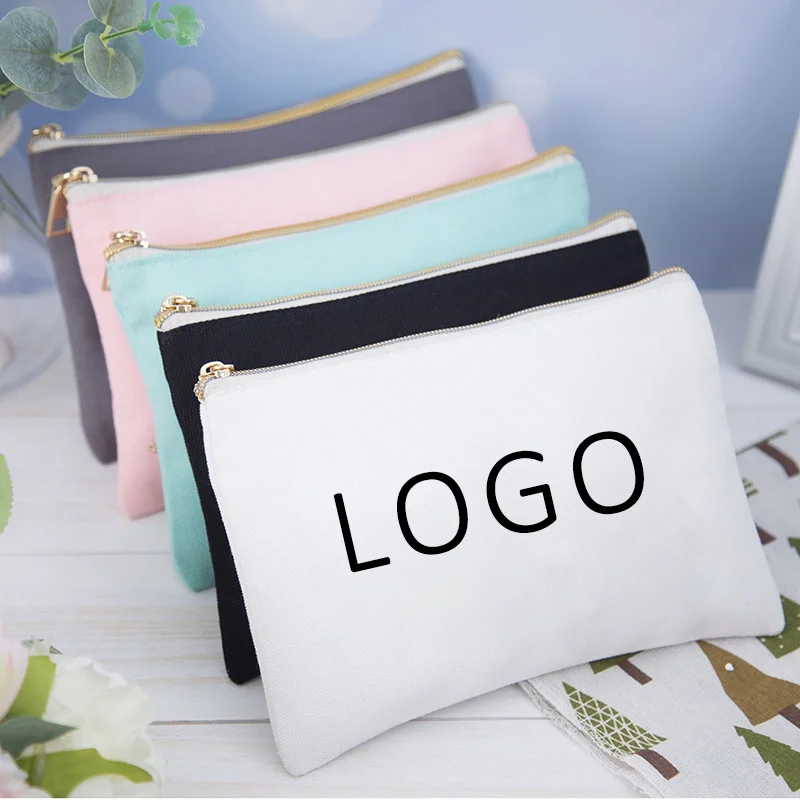
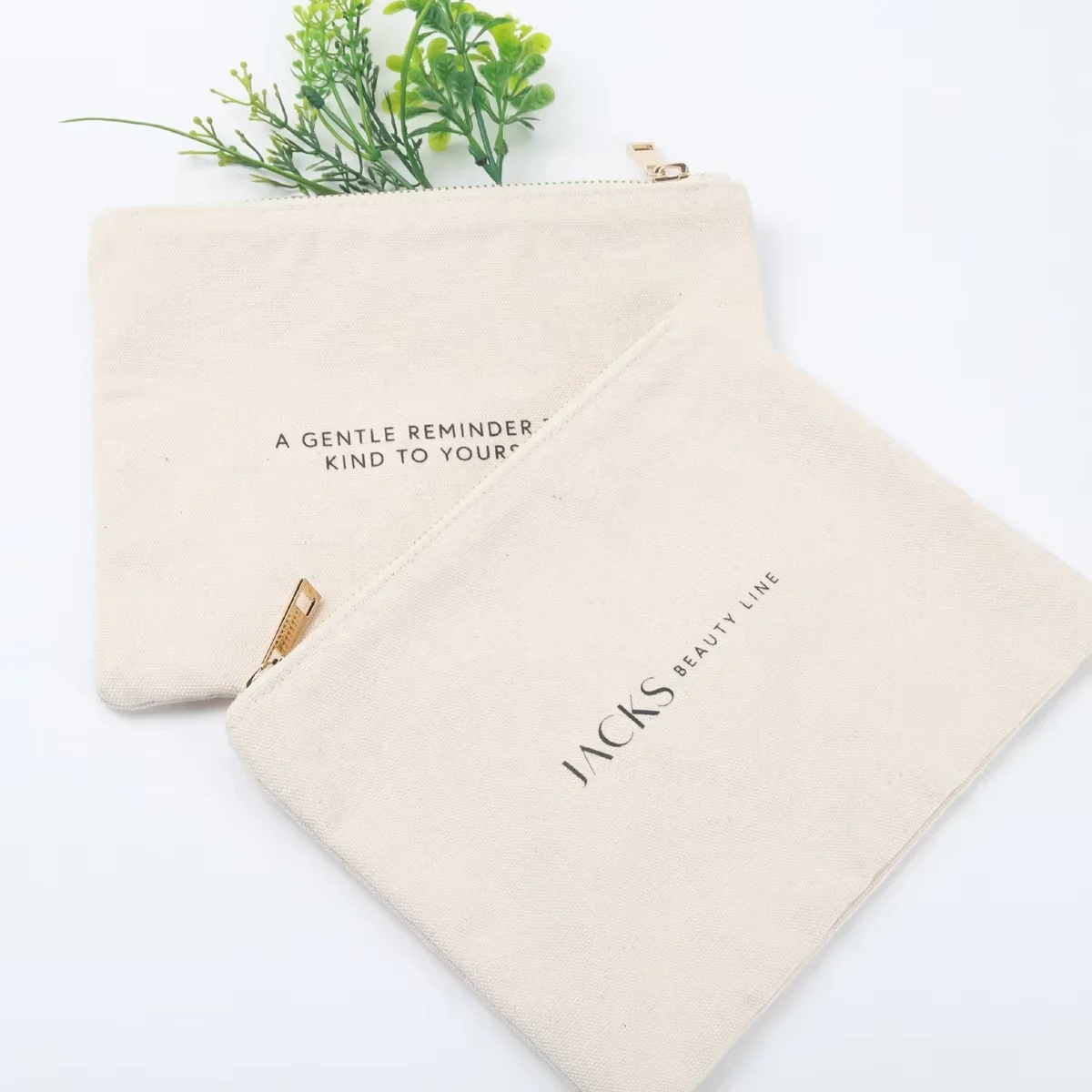
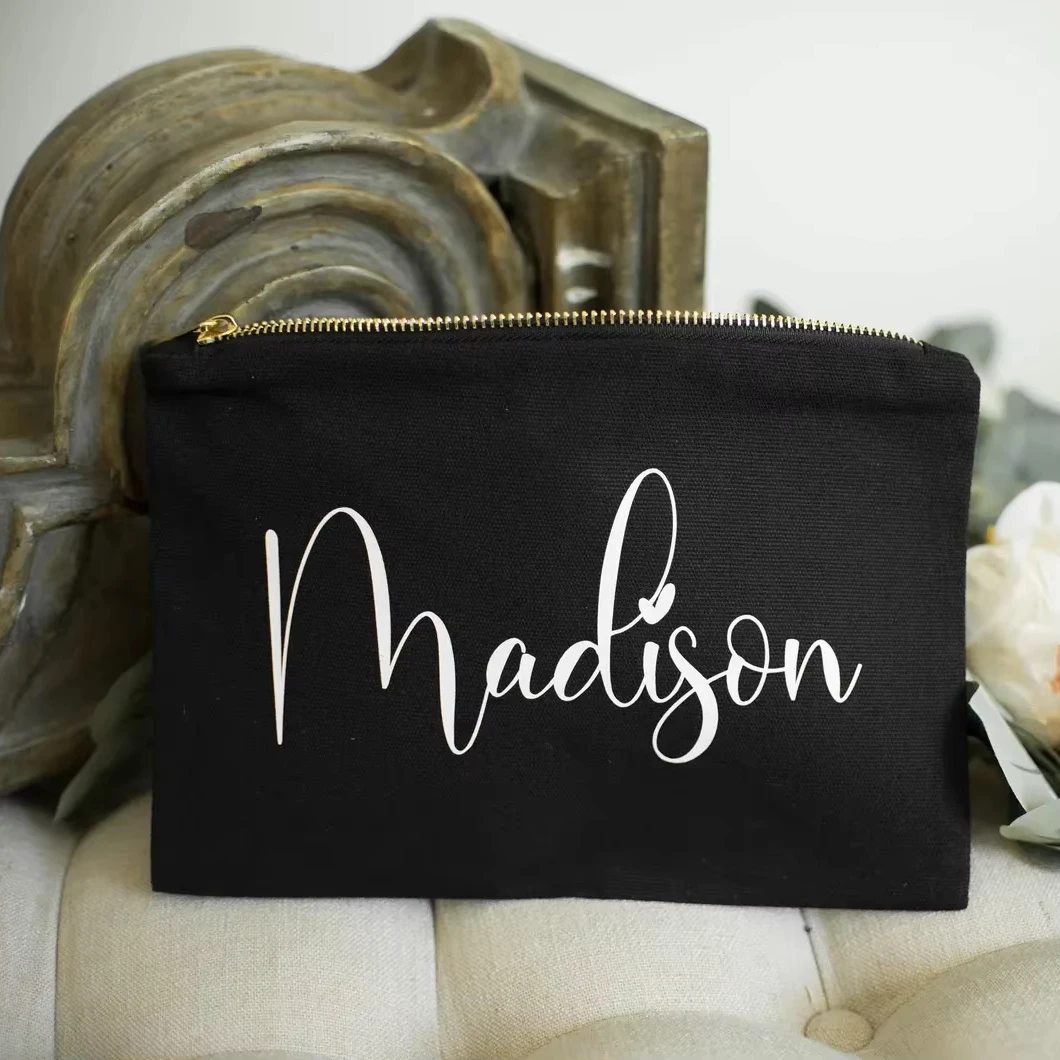
Cotton’s porous fabric makes a cotton bag perfect for customization—screen printing, embroidery, or hand-painting all work seamlessly. This means a cotton bag can match any style, from bold graphics to minimalist logos. Businesses love cotton bags as promotional tools; branded prints turn them into walking ads customers reuse. Available as totes, backpacks, messengers, or duffels, there’s a cotton bag for every taste and need.
A cotton bag is exceptionally comfortable to carry. Its soft fabric and wide, padded handles distribute weight evenly, avoiding shoulder strain during all-day use. Breathable and hypoallergenic, a cotton bag won’t trap moisture or irritate sensitive skin—unlike synthetic alternatives. Whether commuting, shopping, or traveling, a cotton bag feels gentle and lightweight, making it ideal for extended outings.
Maintaining a cotton bag is hassle-free. Most are machine washable—just toss in with mild detergent to clean up spills, dirt, or odors from produce, gym clothes, or beach gear. Unlike leather (needing special cleaners) or delicate synthetics (prone to fading), a cotton bag holds up to regular washing. Its breathable fabric prevents mold growth, keeping the cotton bag fresh and usable for years with minimal care.
While a cotton bag costs more upfront than plastic, it saves money long-term. Disposables add up with frequent replacements, but a single cotton bag replaces hundreds. Many retailers offer discounts for using a cotton bag, cutting costs further. Built to last years, a cotton bag eliminates repeated purchases—making it a smart budget choice for conscious shoppers.
Grocery runs are a cotton bag’s natural fit. Spacious and sturdy, it holds produce, cans, and dairy without tearing. Compartmentalized cotton bags separate items (e.g., meat from veggies) for organization. Unlike plastic that spills, a cotton bag keeps groceries secure. Shoppers often stash cotton bags in cars or purses, ensuring they’re ready to reduce plastic waste at the store or farmers’ market.
A cotton bag excels at daily tasks: a tote holds wallets, phones, and books for pharmacy or café runs. A cotton backpack carries laptops and notebooks to work/school, with comfortable straps for transit. Stylish yet understated, a cotton bag complements casual or professional outfits, doubling as a “catch-all” for unexpected items like umbrellas.
A cotton bag is a travel essential. A large duffel packs clothes for getaways, while a small tote serves as a carry-on for passports and laptops. During trips, a cotton bag hauls beach gear, souvenirs, or snacks. Foldable and lightweight, it saves suitcase space when not in use—its durability handles airports, buses, and busy destinations with ease.
Outdoor lovers rely on a cotton bag. A backpack carries hiking essentials (water, first-aid kits) with breathable fabric to keep backs cool. A tote holds picnic blankets or sunscreen for parks/beaches. Resistant to dirt and abrasion, a cotton bag works for camping or gardening—easy washing cleans it up afterward, and it withstands sun and activity.
A sleek cotton bag fits professional settings—messengers or totes carry laptops and documents, matching business attire. Brands use branded cotton bags for employees/conferences, boosting visibility. For weddings, concerts, or festivals, a cotton bag serves as a reusable swag bag or favor, holding essentials while outlasting disposable alternatives.
Students thrive with a cotton bag. Backpacks hold textbooks and lunchboxes, with padded straps easing shoulder strain. Schools promote cotton bags to teach sustainability. Customizable with logos or fun designs, they’re popular with kids/teens—easy washing keeps them fresh all school year.
A cotton bag is more than an accessory—it’s a sustainable, durable staple. Its advantages (eco-friendliness, value, comfort) and versatility (shopping, travel, work) make it superior to disposables. Every use cuts waste, and its longevity ensures it fits seamlessly into daily life. Investing in a cotton bag is a choice that benefits both you and the planet—practical, stylish, and built to last.
In summary, a cotton bag is more than just a simple accessory—it’s a sustainable, durable, and versatile product that fits seamlessly into every aspect of life. Its numerous advantages, from eco-friendliness to cost-effectiveness, make it a superior alternative to disposable bags. Whether you’re using it for groceries, travel, work, or play, a cotton bag delivers reliability and style. With its ability to be reused countless times and its minimal environmental impact, a cotton bag is an essential item for anyone looking to live more sustainably and practically. Investing in a cotton bag is not just a purchase—it’s a commitment to a greener future and a more convenient lifestyle.



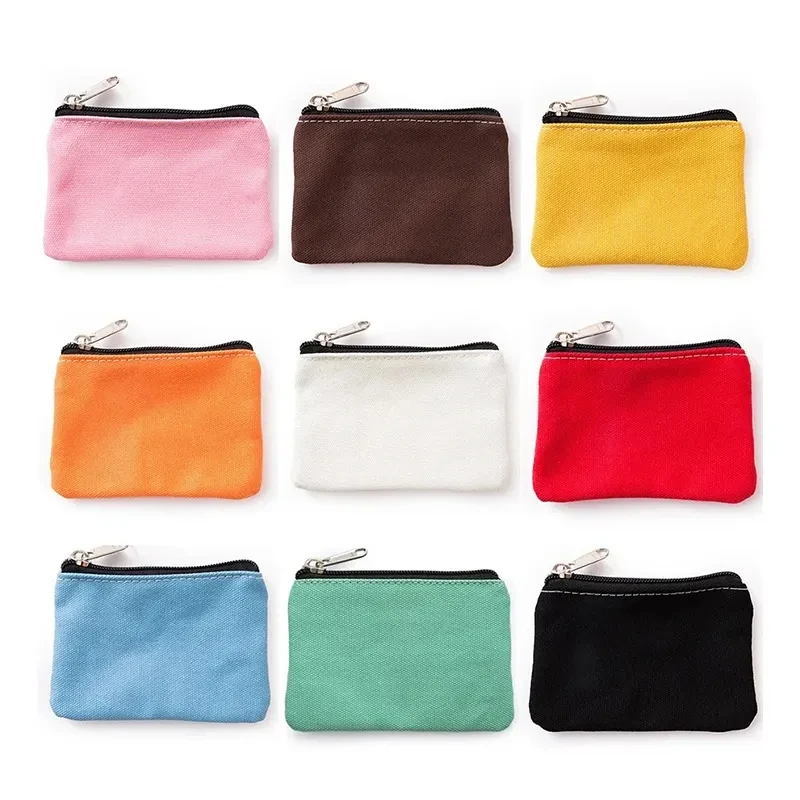


Wenzhou Aite Bag Co., Ltd. provides custom canvas bags, jute bags, and non-woven tote bags for global brands. ISO 9001-certified, 20+ years’ experience, 4000+ clients. Request a quote today!
2nd Floor, Block B, Building 15, Luggage Small And Micro Garden, Qianku Town, Cangnan County, Wenzhou, Zhejiang, China
Copyright © 2025 by Wenzhou Aite Bag Co., Ltd. Privacy Policy
 EN
EN