
 EN
EN
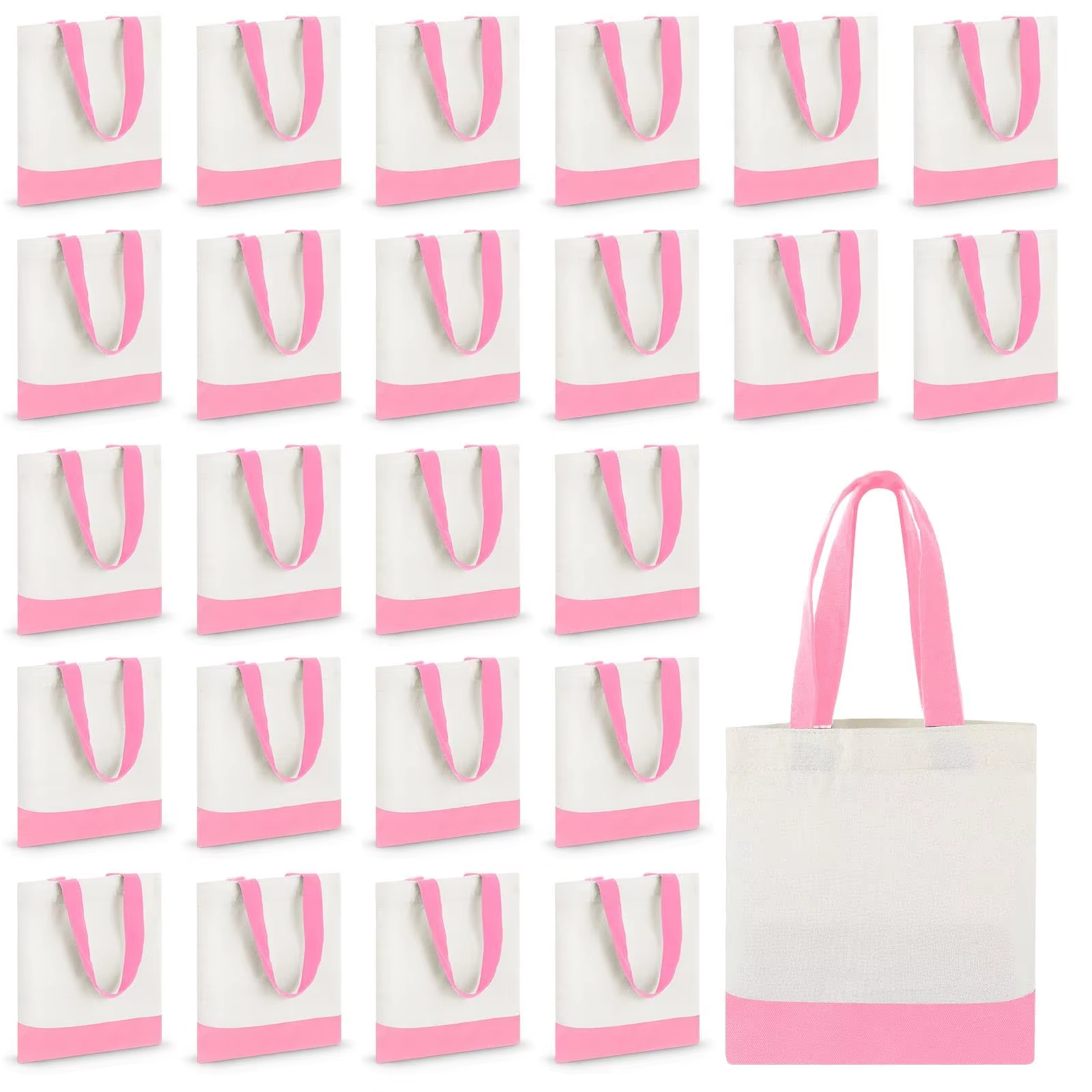
How to Ensure the Reusability of Custom Shopping Bag Orders
The Shift Toward Durable Packaging Standards The global retail market is experiencing a fundamental shift in how businesses approach packaging requirements. As expectations for material longevity align more closely with environmental considerations, the concept of the shopping bag has evolved from a simple accessory into a durable consumer item. For businesses and distributors, maximizing the value of a shopping bag order relies heavily on its reusability. A bag that retains its structural form across multiple uses becomes a consistent presence for the brand. Drawing from insights into high-precision automated production and material science, achieving this level of durability requires an engineering-first mindset that prioritizes the long-term performance of the structural components.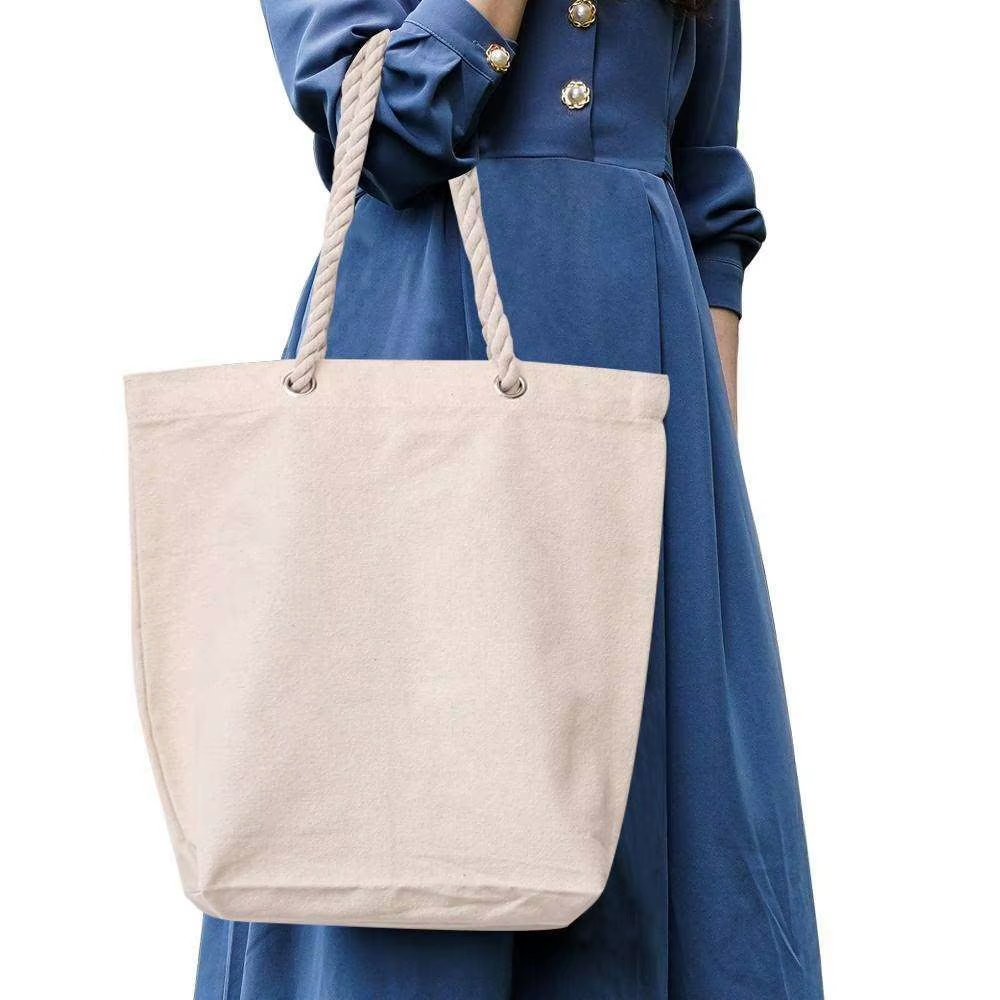
Defining the Engineering Standards of Reusability To guarantee that a shopping bag can withstand repeated use, one must look beyond aesthetics and focus on structural integrity. Reusability is defined by the interaction between GSM density, tensile strength, and seam integrity. In professional manufacturing, these factors are balanced based on the intended load-bearing capacity and the mechanical properties of the fabric. For instance, the transition from standard adhesive bonding to reinforced stitching patterns represents a technical upgrade that alters the lifecycle of the product. When evaluating custom orders, it is essential to consider how the material behaves under repetitive mechanical stress, ensuring the assembly maintains its shape and performance standards over time without signs of fatigue.
Design Strategy and Material Selection Designing for longevity requires a deep understanding of material behavior. Whether utilizing non-woven polypropylene, recycled PET, or high-density cotton, the material choice determines the baseline for potential reusability. However, the design strategy is equally important. A well-engineered bag incorporates features such as gusseted bottoms, which distribute weight, and reinforced stress points at the handle connections. Industry standards emphasize that a bag’s lifespan is typically dictated by its weakest point—the handle connection. By employing precision-controlled machinery to ensure uniform stitch tension, manufacturers can eliminate the inconsistencies that lead to premature failures, allowing the bag to remain a reliable component for consumers.
Precision Manufacturing and Consistency The leap from a concept to a high-durability reality depends on the consistency of the manufacturing process. Automated systems are designed to minimize human error, ensuring that every handle is reinforced with identical precision and every seam is securely locked into place. From a technical perspective, the advantage of utilizing specialized, automated machinery lies in the uniformity of the output. When large volumes are produced with consistent seam density and heat-sealing parameters, quality assurance metrics become highly predictable. This predictability allows brands to trust that their shopping bag orders will meet performance expectations, providing a tangible return on their investment in quality materials and proper design.
Integration of Manufacturing Expertise Successful procurement of durable packaging requires a partnership with a manufacturer that understands the intersection of material science and mechanical engineering. Wantemachine stands at this intersection, providing the manufacturing depth needed to transform material specifications into robust, high-performance products. By maintaining a focus on high-precision fabrication processes, Wantemachine ensures that every order meets the technical demands required for long-term reusability. This manufacturing-first approach simplifies the supply chain for distributors and retailers, ensuring that the packaging solutions provided are optimized for structural durability and reliability, regardless of order volume.
Investing in Long-term Structural Integrity Ensuring the reusability of custom shopping bag orders is a strategic decision that contributes to brand visibility. Every time a consumer chooses to reuse a high-quality, durable bag, the brand receives repeated, organic impressions. As the industry continues to move toward more resilient options, companies that invest in superior structural integrity will find themselves better positioned to meet regulatory requirements and consumer expectations. Wantemachine continues to provide the technical expertise and the specialized manufacturing support necessary to navigate these standards, ensuring that every bag serves as a functional, long-lasting testament to brand quality and engineering precision.