
 EN
EN
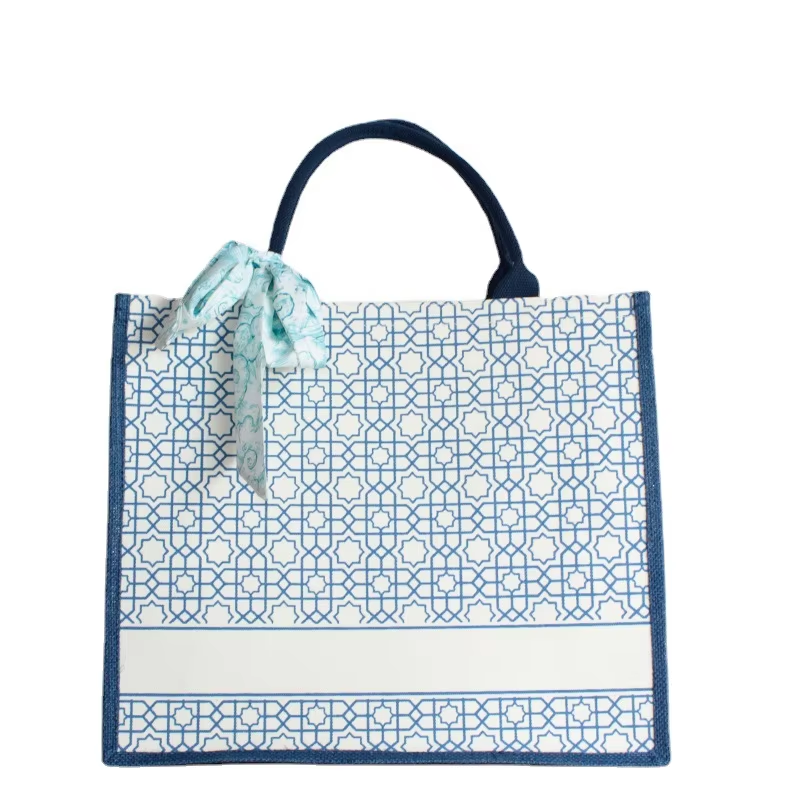
Evaluating Suppliers and Pricing Structures for Bulk Custom Tote Bag Orders
Certifications, Production Capacity, and Sample Consistency in Wholesale Vendors
When looking at potential suppliers, give preference to those holding ISO 9001 or Fair Trade certifications since these are generally seen as indicators of decent working conditions and solid quality standards. To check if a vendor can handle large orders, ask them about realistic delivery times for quantities similar to what you need. Companies that regularly produce over 10,000 units each month usually have better scaling capabilities and more stable operations. Never skip getting actual product samples before going into mass production. Take time to examine things like how well stitches hold up, whether printed designs align properly, and if colors match across different production runs. Getting consistent results is really important. Manufacturers who maintain deviation rates below 5% tend to create fewer problems down the line, according to recent industry standards from textile quality control reports in 2024.
Understanding MOQs, Tiered Pricing, and Domestic vs. International Cost Drivers
Bulk pricing hinges on three interdependent factors: minimum order quantities (MOQs), tiered discount structures, and geographic cost drivers.
| Factor | Domestic Suppliers | International Suppliers |
|---|---|---|
| Minimum Order (MOQ) | 500–1,000 units | 5,000–10,000 units |
| Base Price Per Unit | $2.50–$4.00 | $0.90–$1.80 |
| Lead Time | 3–5 weeks | 8–14 weeks |
| Hidden Costs | Compliance fees | Tariffs + shipping |
Most tiered discount structures kick in once certain volume levels are reached. For example, companies might get 10 percent off when they order around 5,000 units, then see that drop rise to about 25 percent at 20,000 units purchased. The labor component makes up roughly two thirds of what it costs to produce goods domestically, whereas in foreign markets this drops down to somewhere between 15 and 25 percent. That explains why there's such a big gap in pricing between different manufacturing locations. When deciding where to source products from, businesses need to consider factors beyond just the per unit cost. Things like how quickly delivery needs to happen, what the complete landed cost really is including all those extra fees like tariffs and shipping insurance, plus whether there's room for building something lasting with suppliers should all factor into the decision making process.
Scalable Printing Methods for Consistent Custom Tote Bag Branding
Screen Printing, DTG, and Sublimation: Matching Technique to Volume and Design Complexity
Choosing the correct printing technique makes sure brand consistency stays intact across large quantities while keeping costs down and products lasting longer. Screen printing has stood the test of time as the go to option when ordering over 1,000 items with straightforward designs. It produces those bright colors that won't wash away easily, perfect for cotton t-shirts and canvas bags we see everywhere these days. For businesses needing something different, Direct-to-Garment printing works wonders with detailed images, photos, or lots of colors but tends to be better suited for smaller batches under 500 pieces. No need for extra setup charges either! Then there's sublimation printing which really shines on synthetic materials like polyester totes. The ink actually gets absorbed into the fabric itself so the prints never fade, making it great choice for gradient effects and continuous pattern designs that wrap around entire surfaces without visible seams.
Matching technique to both volume and design complexity can reduce printing spend by up to 40%. For sustainability-focused brands, water-based inks—certified by OEKO-TEX® Standard 100—offer eco-friendly performance without sacrificing longevity or vibrancy.
Logistics, Timing, and Strategic Planning for Bulk Custom Tote Bag Delivery
Getting bulk deliveries right takes more than just organizing production and shipping logistics. Companies need to think ahead about potential risks and make sure everything aligns properly across campaigns. Most domestic orders take around 4 to 6 weeks once the artwork is approved until they actually arrive at the customer's door. International shipments generally take longer, usually between 8 and 12 weeks, though customs clearance can really throw a wrench in these timelines. It's wise to leave about 15 to 20% extra time built into schedules to account for unexpected issues like busy ports, supply chain disruptions, or last minute regulatory hurdles. When dealing with products coming from abroad, businesses should expect to pay import duties somewhere between 10% and 25% of what the goods are worth. Choosing the right Incoterms matters too. Terms like DDP versus FOB determine who handles the tariffs, insurance costs, and gets stuck with delivering the product those final few miles.
Smart ordering isn't just about what we need right now. Many businesses find it helpful to order around 10 to 15 percent extra compared to their usual amount. This buffer helps replace items damaged during shipping and handles those sudden spikes in customer interest when new promotions kick in. No need to pay premium prices for last minute orders or settle for lower quality alternatives. When companies implement barcode systems for tracking large shipments, they gain better control over inventory while reducing losses significantly. According to recent industry reports from CSCMP, these tracking methods have cut down on lost goods by approximately 22% in 2023 alone.
| Consideration | Domestic Impact | International Impact |
|---|---|---|
| Lead Time | 4–6 weeks | 8–12 weeks |
| Hidden Costs | Fuel surcharges | Duties + customs fees |
| Risk Mitigation | Weather disruptions | Regulatory compliance |
| Scalability | Regional warehouses | Local distribution hubs |
Use integrated digital dashboards to unify order status, carrier ETAs, and customs documentation—reducing administrative errors by 40%. And always cross-check final delivery addresses against event calendars or retail rollouts: a single late shipment can derail an entire campaign's impact.