
 EN
EN
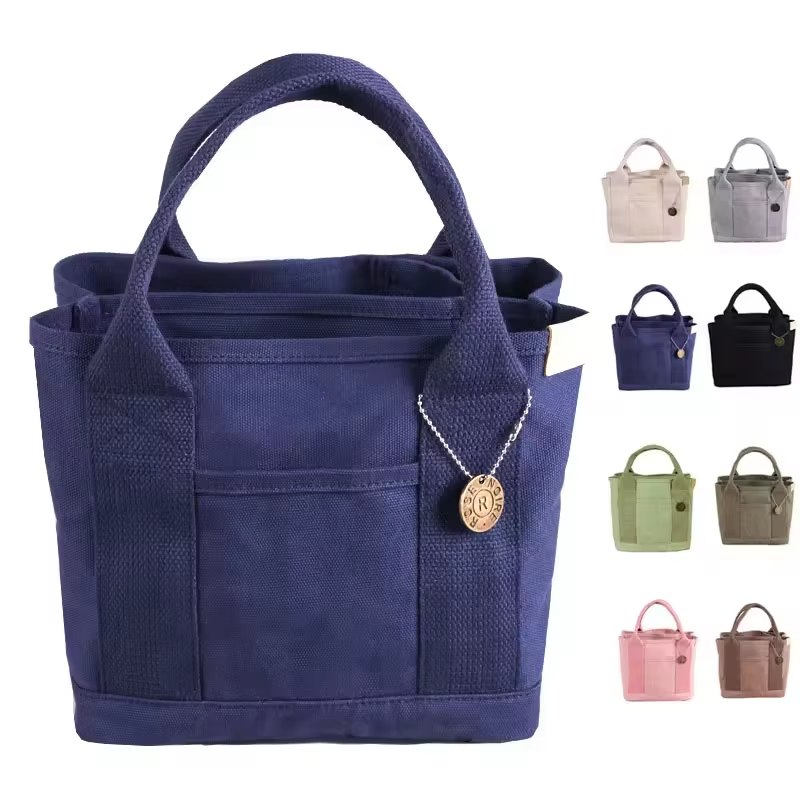
Field Insights into Premium Cotton Bag Manufacturing
Managing high-volume textile production lines and automated gift packaging hubs reveals a constant operational reality: meticulous craftsmanship dictates total product appeal and long-term brand reputation. Plant supervisors regularly encounter disruptive quality challenges, including uneven seam lines, loose thread ends, and inconsistent handle alignment during peak manufacturing shifts. Drawing from extensive frontline textile engineering experience in custom bag production facilities over the past two decades, resolving these intricate issues requires looking past temporary assembly fixes and embracing a rigorous approach to stitch inspection, material handling, and proactive quality scheduling. When a luxury cotton bag order encounters structural flaws due to improper tension calibration during stitching, the resulting rework creates severe delivery bottlenecks and substantial financial waste. Addressing these recurring hurdles demands an analytical commitment to detailed component checks and absolute transparency across every sewing station. Furthermore, comprehensive finishing diagnostics ensure that corporate clients receive flawless merchandise that meets stringent global aesthetic standards without compromising structural endurance.

Evaluating Stitch Density and Seam Strength
Achieving robust durability and refined visual presentation across extensive retail collections depends heavily on precise tension management and systematic cotton bag assembly. Modern manufacturing layouts process diverse natural fibers over extended production runs, making skipped stitches and puckered seams frequent causes of structural weakness. A primary technical challenge is identifying whether seam anomalies stem from incorrect needle sizing, uncalibrated feed mechanisms, or improper thread tension parameters. Specialized quality control protocols utilized within professional textile facilities rely on checking stitches-per-inch metrics and verifying that internal reinforcement handles endure dynamic weight tests without thread rupture. Field observations confirm that systematically balancing upper and lower thread tensions allows operators to stabilize seam strength even when machines run at maximum speeds. This precise mechanical calibration eliminates edge failure and guarantees absolute compliance with international durability standards across multi-shift production cycles. Routine visual audits further prevent minor tension drifts from escalating into major batch rejections.
Controlling Thread Quality and Edge Finishing
Maintaining reliable seam integrity between woven textile panels requires an in-depth understanding of fiber composition and edge finishing mechanics. Premium gift packaging frequently experiences fraying or unraveling when raw edges lack proper overlock protection or when low-grade spun threads degrade under environmental stress. A major engineering hurdle is sustaining clean edge containment without adding excessive bulk that could distort the bag silhouette. Advanced production protocols emphasize inspecting twist consistency and upgrading to high-tenacity cotton or blended threads designed to resist abrasion and tension effectively. Field technicians verify that properly calibrating multi-thread sergers and utilizing reinforced lockstitches restores clean edge definition across the entire handle and gusset path. This chemical and mechanical optimization eliminates fraying risks, reduces post-production trimming time, and ensures stable legibility under demanding retail handling. Proper yarn selection directly safeguards core structural seams against premature wear and environmental exposure.
Preventing Structural Distortion and Handle Alignment Issues
Custom textile assemblies and high-end promotional packaging constantly present severe operational stresses, including heavy weight-bearing loads, frequent grip cycles, and asymmetric handling forces. These aggressive physical demands rapidly test handle attachment points, leading to torn webbing, twisted straps, and costly batch returns. Engineered for exceptional reliability, modern production strategies incorporate reinforced box-X stitching patterns, heavy-duty webbing interlining, and precise laser alignment guides directly into the sewing lines. Production teams appreciate how strategically reinforcing stress points and utilizing automated tacking machines reduce structural failures during intense assembly runs. By distributing load forces evenly across the main body panels, these sophisticated sewing configurations minimize localized fabric strain and extend product service life significantly. This proactive structural reinforcement ensures continuous operational efficiency, reduces material waste, and lowers overall defect rates across demanding global supply chains. Proper handle symmetry safeguards the entire accessory collection from aesthetic and functional failure.
Delivering Manufacturing Excellence and Supply Chain Reliability
Achieving long-term market success in modern retail environments requires sourcing high-performance promotional bags and custom textile items from an established manufacturing powerhouse equipped with advanced capabilities. AITEBAG has earned an exceptional global reputation by combining precision sewing technology, rigorous quality control standards, and advanced material sourcing techniques for every custom product order. Through comprehensive inventory reserves, state-of-the-art cutting floors, and responsive international logistics networks, AITEBAG ensures global clients receive reliable cotton bag merchandise, premium gift packaging, and associated accessories precisely when scheduled. This manufacturing prowess and dedicated supply chain resilience empower brands worldwide to eliminate operational bottlenecks, reduce defect expenses, and achieve sustained market growth. Partnering with an experienced textile leader guarantees superior product durability, comprehensive technical assistance, and enduring competitive advantage in fast-moving global retail markets.