
 EN
EN
Functional Customization: Aligning Cosmetic Bag Structure with Product Requirements
Size, Shape, and Internal Compartments Optimized for Real Product Fit
Selecting the right dimensions and interior layout eliminates wasted space and prevents product damage. A cosmetic bag must accommodate the specific height, width, and depth of its intended contents — whether foundation bottles, compacts, palettes, or brushes. Adjustable dividers or removable inserts allow brands to tailor the interior to varying product configurations, reducing movement during transit and enhancing the unboxing experience. Shape customization — such as a flat profile for compacts or vertical proportions for skincare bottles — ensures each item fits securely and remains protected.
Zippers, Handles, and Closure Types That Support Product Accessibility and Protection
Hardware choices directly influence both usability and protection. A smooth-gliding, reinforced zipper with an ergonomic pull tab enables quick, snag-free access — critical for daily use and travel. For larger bags, a sturdy handle or detachable wrist strap improves portability without compromising structure. Magnetic snaps, double-zipper closures, or lockable zippers add security for high-value or liquid-based products. Each closure type should be validated against real-world use cases: a full-opening double zipper suits travelers needing rapid access, while a top-grip handle better serves compact, on-the-go formats. Thoughtful hardware selection balances intuitive functionality with long-term durability — reinforcing the bag’s role as a functional extension of the product itself.
Visual & Tactile Brand Expression Through Cosmetic Bag Materials and Finishes
Premium Materials and Surface Treatments (e.g., Foil Stamping, Soft-Touch Lamination) as Quality Cues
A cosmetic bag’s material and finish serve as its first, nonverbal brand statement. Tactile experience is a powerful driver of emotional connection and perceived quality: consumers form judgments about value within seconds of touch. Soft-touch lamination delivers a velvety, indulgent feel associated with luxury and care — distinct from the crisp modernity of matte UV coating or the artisanal resonance of leather-look synthetics. Research from the Journal of Consumer Psychology confirms that texture significantly increases emotional engagement and purchase intent, while studies in Packaging Technology and Science show tactile cues directly elevate perceived product quality. Visual finishes like metallic foil stamping introduce reflective contrast and glamour, while precision embossing adds dimensional depth to logos or patterns — turning surface treatments into multi-sensory brand signatures. When haptics and optics align intentionally, the cosmetic bag becomes a trusted quality cue that primes premium perception before the product is even revealed.
Color Strategy and Logo Placement That Reinforce Category Positioning and Premium Perception
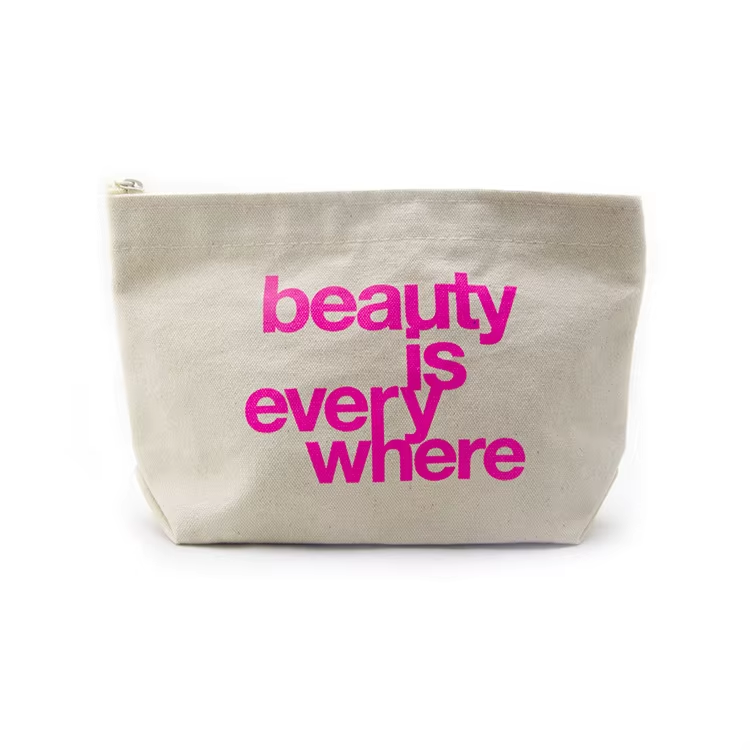
Color and logo execution complete the sensory narrative. Strategic color choices resonate emotionally with audience expectations: soothing pastels suggest gentle, skin-first formulations; saturated jewel tones convey confidence and vibrancy for color cosmetics. This psychological alignment helps position the product within its category before a single ingredient is read. Logo placement and finish further reinforce intentionality — a centered, debossed or embossed logo signals craftsmanship and restraint, while clean, minimalist alignment supports award-winning design credibility. Achieving cohesion requires tight integration across material, color, and print technique. Whether executing a monochromatic, elevated aesthetic or a bold, seasonal pattern, every decision must feel deliberate — strengthening premium positioning and justifying price in a crowded market.
Strategic Brand Storytelling: Turning the Cosmetic Bag into a Functional Extension of Product Identity
Design Consistency Across Packaging Touchpoints — From Shelf to Unboxing
A cosmetic bag that mirrors the brand’s visual language across all customer touchpoints — shelf display, e-commerce imagery, and unboxing — strengthens recognition and builds trust. When shared elements — such as a signature color palette, consistent typography, and matching material textures — appear on the outer carton, bag, and inserts, consumers perceive a unified, intentional story. For example, a clean-beauty brand using unbleached kraft paper, matte-finish pouches, and sage-green accents across packaging layers invites customers to connect the brand’s natural promise before opening the box. This cross-channel consistency transforms the cosmetic bag from utility into narrative — making every unboxing a branded moment that feels curated, confident, and premium.
E-Commerce Differentiation: How Cosmetic Bag Customization Enhances Perceived Value and Shareability
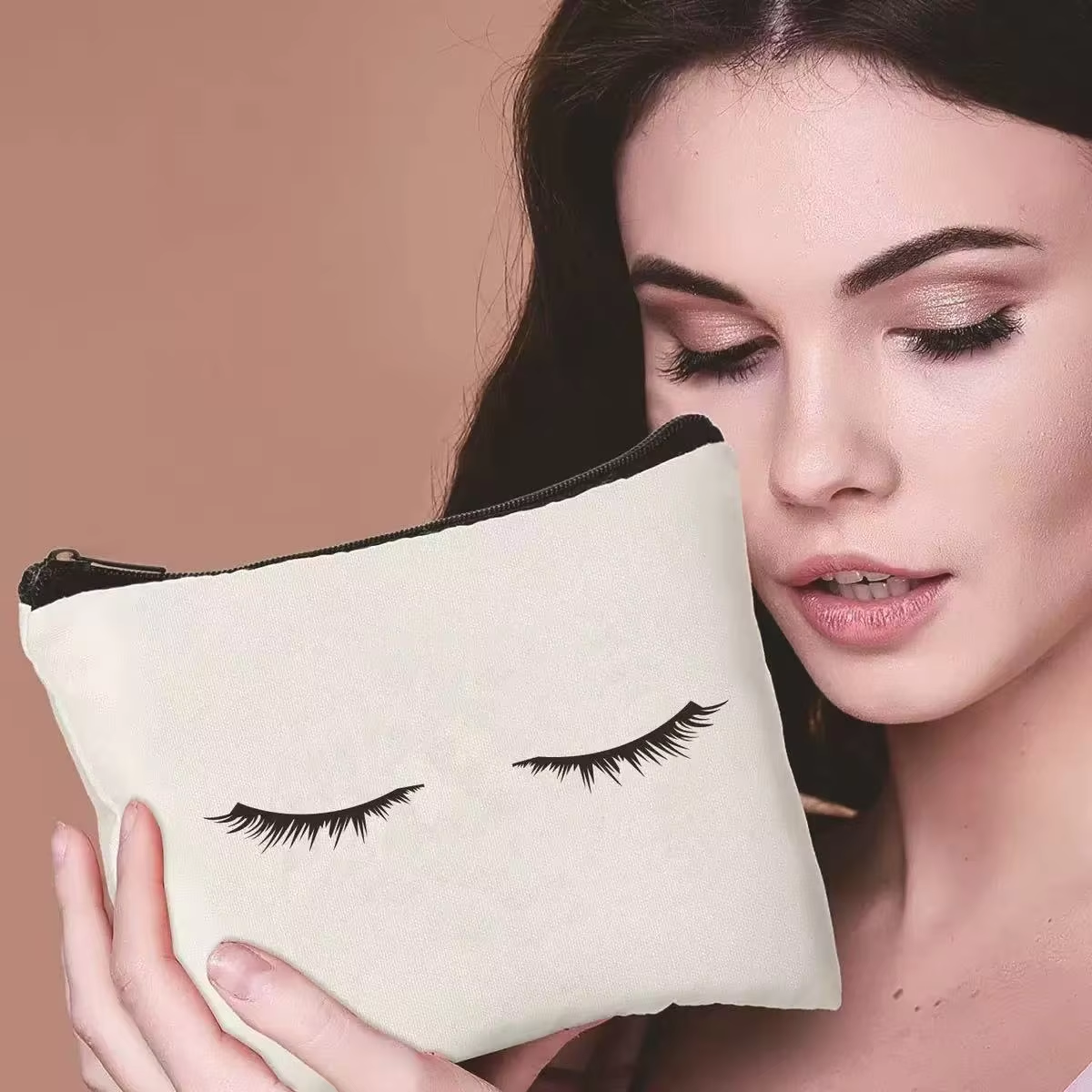
In direct-to-consumer channels, the unboxing moment replaces the retail shelf — and the cosmetic bag becomes a primary vehicle for first impressions. Thoughtfully customized bags — featuring unique textures, branded interior prints, reusable construction, or limited-edition seasonal motifs — elevate perceived value and increase post-purchase engagement. When the bag tells a story — such as a reusable pouch printed with key ingredients, sustainability certifications, or playful seasonal illustrations — it transcends function to become a shareable brand asset. Social media posts featuring these moments generate organic reach and peer-driven credibility. By investing in purposeful customization, brands transform a logistical necessity into a durable, expressive extension of product identity — one that continues to communicate value long after the initial purchase.