
 EN
EN

Start with Certified Organic Cotton as the Sustainable Foundation
Environmental and health benefits of GOTS- and OCS-certified organic cotton
The Global Organic Textile Standard (GOTS) and Organic Content Standard (OCS) certifications ensure that cotton grows without those harmful synthetic pesticides and fertilizers we all know are bad news. This means less chemicals washing into our rivers and streams, plus farm workers get exposed to way fewer toxins too around 90% less according to Textile Exchange from last year. Farmers who follow these organic practices actually take better care of the soil by rotating crops, which helps maintain long term fertility. Plus they need about half as much water since they focus on collecting rainwater instead of relying solely on irrigation systems. From what consumers experience, organic cotton products just feel different somehow. There's no lingering allergens or stuff that might irritate skin, so people with sensitive skin find them much more comfortable. And if manufacturers skip those toxic dyes during processing, the environmental footprint stays significantly smaller throughout the entire product life cycle compared to regular cotton.
How certification transparency builds trust and justifies premium pricing for cotton bag buyers
Around 78% of people who care about the environment are willing to spend extra on products that are truly sustainable according to NielsenIQ data from 2023. But they want to see clear evidence that's easy to check out for themselves. Certifications like GOTS and OCS help with this because they track products all the way from where crops grow to when bags get made. Brands can then show those certification numbers so customers know exactly what standards were followed during farming and manufacturing processes. This kind of transparency makes paying more money for these items actually worth it rather than just throwing away cash. It really fights against greenwashing too since studies show about 60% of shoppers don't believe companies when they claim something is "eco-friendly" without proper backing (Sustainable Brands 2023). When brands document actual results such as less water being used or no chemicals in production, these certifications turn ethical choices into lasting brand reputation benefits. Most importantly, this approach helps maintain those 15 to 25% price increases that many businesses rely on.
Design Purpose-Driven Customization That Communicates Authentic Sustainability
Minimalist aesthetics and intentional copy: Reinforcing eco-credibility without greenwashing
When we see clean lines, fabrics that haven't been bleached, and simple typography, what we're really looking at is honesty rather than clever marketing tricks. Minimal design goes beyond just looking good it actually means less stuff gets used throughout production. Companies should combine these visuals with straightforward messages that tell customers exactly what they get. Take something like "Built to last through 500+ uses" as a real way to show how sustainable products perform. Marketing shouldn't rely on buzzwords such as "eco-friendly" or "all natural" anymore. Better to focus on how long things will work and what makes them useful day after day. The earthy colors made from plants also help create genuine feeling designs without all those chemical dyes polluting the environment.
Cause-aligned limited editions (e.g., ocean cleanup, reforestation) that deepen emotional connection to the cotton bag
Working alongside trusted environmental groups can lead to some really cool limited edition products. Take for instance a tote bag featuring drawings of sea creatures facing extinction, with 10 cents from every sale going toward actual beach cleanups. When brands team up this way, they give ordinary items extra meaning beyond just being useful things. People start seeing their purchases as part of something bigger than themselves. The fact that these items are only available for a short time creates that FOMO factor we all know so well, but doesn't force anyone to compromise on quality or purpose. Most importantly, when companies clearly show how their mission matches what customers care about, it resonates deeply with shoppers who think about ethics before making a purchase decision.
Prioritize Functional Customization to Maximize Reuse and Reduce Waste
High-utility features—reinforced straps, internal pockets, foldability—that increase lifetime use of each cotton bag
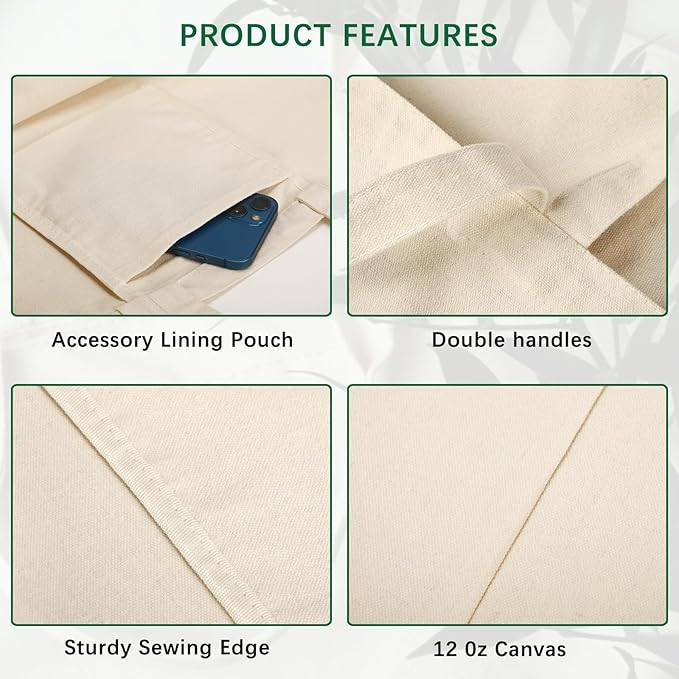
When it comes to sustainability, durability remains one of those overlooked advantages. The reinforced stitching we add at stress points, particularly where straps meet the main body, really makes a difference. Bags won't fall apart after carrying heavy stuff, which means they last around 2 to 3 extra years according to industry standards. Inside, there are practical touches too: zippered compartments for small items and mesh pockets for water bottles. These features make the bag useful for all sorts of situations, whether shopping for groceries, heading to the gym, or browsing local markets. Foldability matters a lot for people who want flexibility. Our compact folding design lets folks stash the bag easily in purses or backpacks, and research indicates this actually leads to about 42% more reuse over time. Looking closer, almost every detail counts. Bartack seams hold up better through wear and tear while magnetic closures offer both convenience and help reduce waste from disposable alternatives.
Choose Low-Impact Decoration Methods Aligned with Eco-Values
Comparing screen printing, embroidery, and water-based digital printing for ink safety, energy efficiency, and durability on cotton bag substrates
When choosing decorations for products, it's important they support rather than contradict sustainability goals. Screen printing traditionally uses plastisol inks that include harmful substances like PVC and phthalates. These materials emit volatile organic compounds when cured at high temperatures and require about 30% more energy compared to modern options according to recent textile industry data from 2024. Embroidery doesn't involve toxic inks but does need quite a bit of electricity to run the computerized machines. Water based digital printing seems to offer the best compromise though. The aqueous inks used here typically have under 1% VOC content, plus improvements in binder tech mean prints hold up well after washing even on cotton fabrics. Digital techniques also cut down on water usage significantly, around 60% less than traditional methods per Sustainable Apparel Coalition reports. To get the most out of this approach, combining water based inks with energy efficient curing systems makes sense. This helps maintain quality of cotton bags while keeping environmental claims genuine across the board.