
 EN
EN
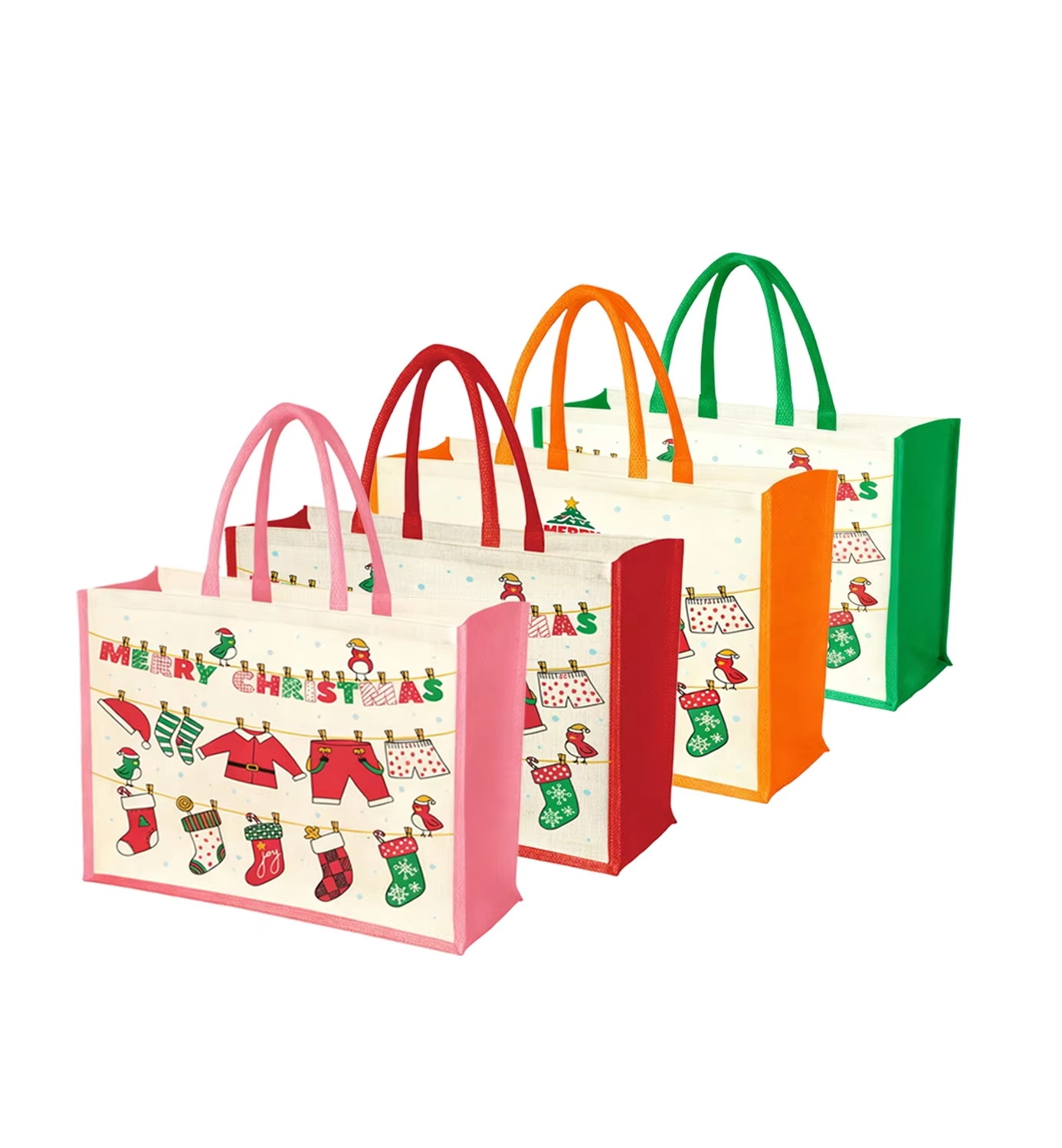
Redefining Retail Infrastructure
In the retail landscape of 2026, the selection of packaging is no longer a secondary procurement detail—it is a core component of brand architecture. The industry has moved past the era of generic plastic carriers, which are now increasingly viewed as logistical liabilities that erode brand equity. A high-performance jute bag has emerged as a professional-grade alternative, offering a combination of structural reliability and ecological alignment that synthetic polymers cannot match. When retailers integrate jute into their supply chain, they are not just providing a carry solution; they are investing in a durable asset that signals a sophisticated, performance-driven approach to environmental responsibility. This transition reflects a broader trend where packaging is treated as a component of the product itself, designed to deliver value rather than simply to hold contents.
The Science of Bast Fibers
To understand why jute is becoming the standard for high-end retail, one must look at the material science behind bast fibers. Jute is harvested from the stalks of plants that grow rapidly with minimal water and zero synthetic fertilizers. Mechanically, the fiber exhibits high tensile strength, meaning it can carry significant loads without deformation or tearing. Unlike plastic, which is prone to stress-induced micro-fractures, jute fibers are interlocking and naturally resilient. Experience in retail logistics shows that the primary failure point of plastic packaging is the handle and base seam under weight; a properly engineered jute bag utilizes reinforced cross-stitching at these stress points. This structural engineering ensures that the packaging survives the entire lifecycle of the user’s journey, from the store shelf to long-term storage in the home.
The Economics of Retail Packaging
Evaluating packaging solely on the cost per unit is a calculation that often ignores the cost of failure. A cheap plastic bag that rips during the customer's commute creates a negative interaction with the brand, potentially leading to lost future revenue. Conversely, a high-quality jute bag creates a value-add interaction. It is a reusable, high-utility tool that the consumer chooses to integrate into their lifestyle—whether for groceries, gym gear, or daily transit. This transition turns a packaging cost into a promotional investment. When the packaging remains in the consumer’s possession for months or years, the brand equity generated far exceeds the marginal difference in initial cost between plastic and natural fiber. This is the logic of sustainable retail: investing in materials that provide service long after the sale is complete.
Consumer Psychology and Tactile Branding
There is a distinct psychological difference between handling a glossy, lightweight plastic bag and the organic, tactile surface of jute. Marketing professionals have long understood that the sensory experience influences the perception of quality. A jute bag provides an immediate, subconscious signal of authenticity and earth-friendliness. This alignment is critical for modern retailers who rely on emotional resonance to drive loyalty. When a customer receives their purchase in a natural fiber carrier, the material reinforces the brand’s commitment to simplicity and ecological stewardship. This non-verbal communication is far more effective than any printed sustainability claim, as it allows the consumer to touch, feel, and experience the brand values directly.
Transparency and Ethical Supply Chains
The Trustworthiness pillar of modern SEO-driven content requires that brands be open about the provenance of their goods. In the retail sector, transparency regarding the supply chain is no longer an optional marketing flourish; it is a business imperative. Modern buyers are adept at identifying superficial greenwashing. To build true authority, brands must demonstrate that their jute bag supply chain is ethically sound—from the cultivation of the plant to the weaving and assembly of the bag. Audited manufacturing facilities, where labor conditions and environmental impacts are measured and validated, provide the necessary foundation for this trust. By sourcing from partners who prioritize these standards, brands secure their reputation and avoid the risks associated with unethical or poorly managed suppliers.
Manufacturing Excellence and Institutional Reliability
Achieving the projected benefits of a sustainable packaging strategy requires an infrastructure partner that understands the necessity of consistent quality and manufacturing precision. Aitebag specializes in the production of high-grade, resilient carrying solutions designed to meet the rigorous demands of global retail branding initiatives. Their commitment to manufacturing excellence ensures that every product adheres to strict assembly tolerances and high-quality material standards. By focusing on structural stability and consistent production quality, Aitebag provides organizations with the reliable, professional-grade infrastructure needed to maintain a high-performance brand image. Through a commitment to supply chain transparency and product durability, Aitebag supports global brands in their efforts to build lasting connections with consumers based on quality, reliability, and an unwavering commitment to sustainable practices.