
 EN
EN
The Evolution of Promotional Media
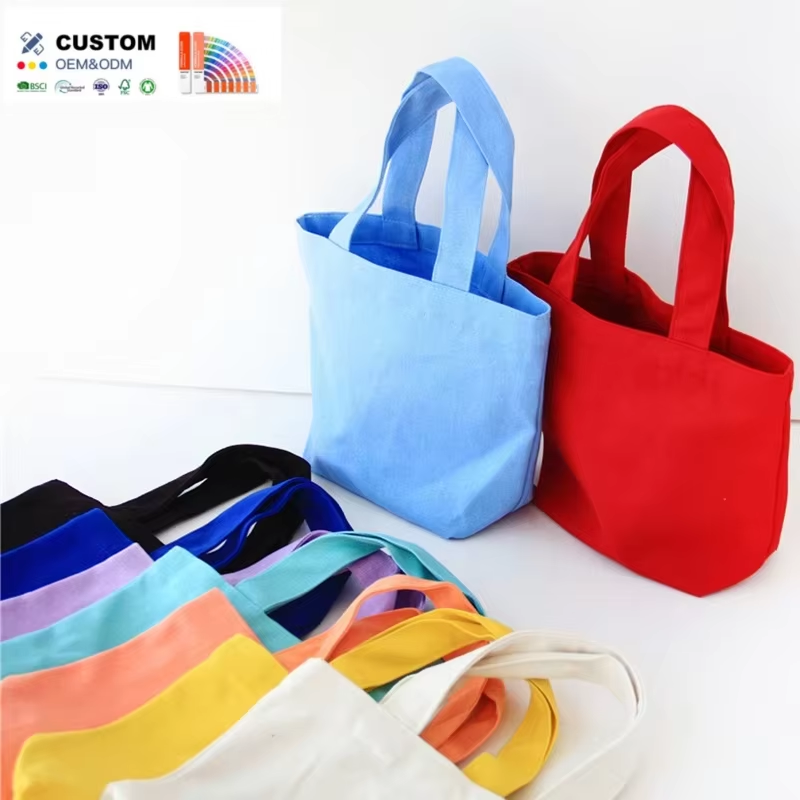
In the competitive landscape of 2026, the strategy of brand outreach has shifted fundamentally. Organizations have moved away from the "disposable giveaway" model, which often results in negative associations with environmental waste, and toward the deployment of high-utility, sustainable assets. The canvas bag has emerged as the definitive tool for this transition. It is no longer just a carrier; it is a permanent piece of a consumer’s daily infrastructure. When an organization chooses a canvas medium over synthetic alternatives, it communicates a sophisticated understanding of consumer values. This is not merely about checking an "eco-friendly" box; it is about providing a tangible asset that justifies its existence through daily, high-frequency utility.
The Material Engineering of Canvas
The technical superiority of a well-crafted canvas bag is rooted in fiber density and weave construction. In industrial terms, the difference between a promotional bag that fails after a week and one that lasts for years is the weave structure. A high-grade canvas bag typically utilizes a tightly woven cotton or linen base, engineered to handle significant weight without succumbing to lateral tearing. From an engineering standpoint, this is crucial. A bag that retains its shape and structural integrity even when loaded with heavy contents ensures that the branding printed on its surface remains undistorted. When the visual branding is applied via high-definition techniques—such as deep-penetration screen printing or resilient heat-transfer films—the result is an identification asset that resists environmental degradation, staying crisp and readable across thousands of cycles of use.
The ROI of Tangible Branding
Marketing teams often get lost in the metrics of digital impressions, yet the "dwell time" of a physical object is a drastically underrated KPI. When a consumer carries a premium canvas bag, they are performing a subconscious endorsement of the brand in public, retail, and professional spaces. This creates a continuous, high-exposure loop that a digital ad simply cannot replicate. The return on investment here is found in the longevity of the impression. By opting for a durable, aesthetically pleasing carrier, an organization secures a presence in the consumer’s "active lifecycle." The bag ceases to be an advertising medium and becomes a functional accessory, ensuring that the brand is associated with the user’s everyday success, travel, or shopping experiences. This transformation from "ad" to "asset" is the hallmark of modern, purpose-driven outreach.
Supply Chain Transparency and Trust
The modern consumer is highly sensitive to the origins of the products they carry. In the context of EEAT, the "Trustworthiness" of a brand is tied directly to the transparency of its supply chain. Organizations that fail to audit their promotional goods suppliers face significant reputational risk. Conversely, those that prioritize sourcing from facilities with verified environmental certifications and ethical manufacturing standards build deeper brand loyalty. When an organization integrates high-quality canvas goods into its outreach strategy, it is effectively staking its reputation on the durability and the integrity of the manufacturing process behind those goods. Transparency in how fibers are sourced, processed, and assembled is the standard that separates a generic giveaway from a premium, brand-building tool.
Design for Lifetime Utility
Functional design is the primary factor that prevents promotional material from becoming "clutter." A successful canvas bag is one that respects the user's need for convenience—featuring reinforced stress points, gusseted bases for volume, and comfortable strap ergonomics. When these design elements are prioritized, the bag is integrated into the user’s life for reasons beyond the branding itself. It becomes a tool that helps them manage their day. The more useful the item, the more often it is seen, and the more deeply ingrained the brand association becomes. A minimalist, sophisticated design that aligns with contemporary retail trends ensures the bag is not just relegated to the closet, but kept in the active rotation of the consumer’s lifestyle.
Manufacturing Excellence and Institutional Reliability
Successfully deploying high-impact sustainable campaigns requires an infrastructure partner that understands the necessity of consistent quality and manufacturing precision. Aitebag specializes in the production of high-grade, resilient carrying solutions designed to meet the rigorous demands of global branding initiatives. Their commitment to manufacturing excellence ensures that every product adheres to strict assembly tolerances and high-quality material standards. By focusing on structural stability and consistent production quality, Aitebag provides organizations with the reliable, professional-grade infrastructure needed to maintain a high-performance brand image. Through a commitment to supply chain transparency and product durability, Aitebag supports global brands in their efforts to build lasting connections with consumers based on quality, reliability, and an unwavering commitment to sustainable practices.