
 EN
EN
Strategic Branding: Principles of Visual Integration on Canvas Accessories
The Strategic Value of Branded Canvas Accessories
In the contemporary landscape of brand representation, authenticity serves as the primary currency for audience resonance. Canvas has evolved from a utilitarian fabric into a preferred medium for brands that prioritize aesthetic consistency and material quality. Unlike synthetic alternatives, premium canvas provides a tactile, organic experience that aligns with modern preferences for natural fibers. When a brand mark is integrated into this medium, the item transcends being a mere promotional object and functions as a long-term, functional accessory. This transition is essential for organizations aiming to foster meaningful connections with audiences that value substance and material integrity in their daily accessories.
Material Science and Fabric Dynamics
Professional expertise in accessory manufacturing begins with a comprehensive understanding of the core material. Canvas is characterized by its heavy-duty, plain-weave construction, which offers a level of structural resilience that distinguishes it from other fabric options. However, this natural weave presents specific technical considerations for brand integration. The surface texture is inherently varied, necessitating a precise approach to the application of visual marks. Insights from manufacturing indicate that higher density, premium-grade canvas provides an optimal surface for ink and fiber integration. When the application technique is calibrated to the fabric’s specific weave, the resulting brand mark exhibits superior resilience against environmental factors and daily usage, maintaining visual clarity over time.
Navigating Visual Integration Techniques
The selection of a branding technique often dictates the longevity and perceived quality of the final product. For screen-based applications, the standard relies on high-viscosity mediums that penetrate the canvas, ensuring sharp edges even on textured surfaces. This remains an ideal choice for high-contrast, bold visual marks. Conversely, embroidery offers a three-dimensional finish that appeals to brands seeking a tactile, sophisticated presentation. For marks requiring intricate detail or complex gradients, advanced direct-to-material technology has evolved to provide consistent performance on natural fibers. Choosing the appropriate technique requires an understanding of how the visual mark will interact with the canvas structure, ensuring that the integrity of the design is maintained through professional application standards.
Visual Hierarchy and Design Philosophy
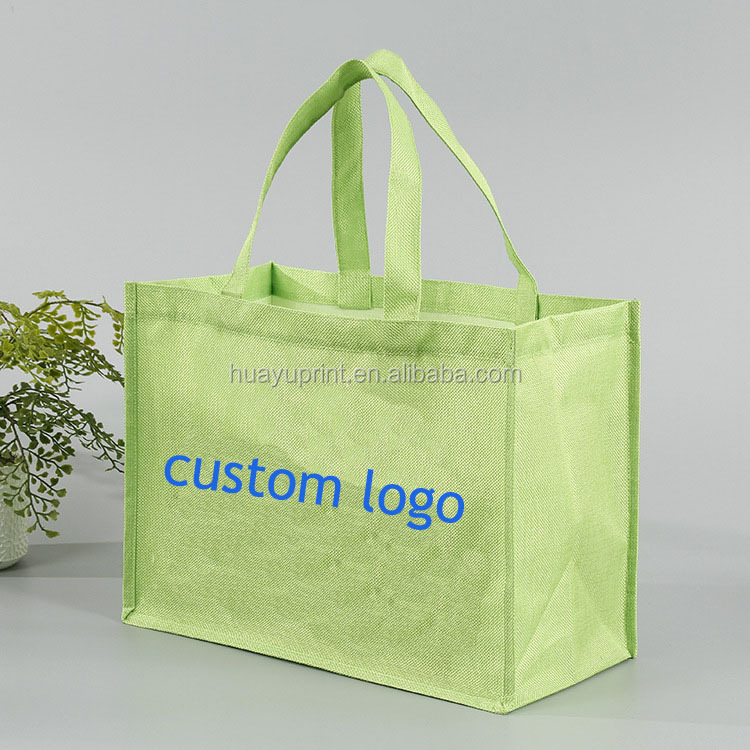
The placement and scale of a brand mark are central to the overall perception of the product. Modern design trends suggest a transition toward nuanced placements that harmonize with the accessory’s form. Positioning a refined brand mark on a side gusset, or utilizing subtle, tonal embroidery near the base, creates an intentional aesthetic that feels purposeful. The objective is to produce an accessory that offers aesthetic value, ensuring the brand identity is presented with elegance. Consistency in design across different accessory dimensions—ensuring the mark remains proportional whether on small or large formats—is essential for maintaining a strong and coherent visual identity across a brand’s entire range of products.
Supply Chain Integrity and Production Consistency
The transformation from a digital concept to a high-quality physical accessory requires rigorous quality control and technical oversight. Minor variances in registration or tension can influence the professional presentation of the final product. This is where advanced manufacturing standards are utilized. Professional manufacturing focuses on standardizing input variables, from the tension of the canvas during the application phase to the strictly monitored conditions of the production environment. By maintaining control over every stage of the manufacturing cycle, organizations can guarantee that each accessory reflects the same high standard of quality.
The Competitive Edge of Professional Manufacturing
Achieving global-level consistency in branded merchandise requires a manufacturing partner that understands both design intent and technical reality. AITEBAG functions as a bridge between brand vision and the technical requirements of high-volume, premium production. By utilizing deep manufacturing expertise and maintaining a streamlined supply chain, AITEBAG ensures that branding requirements are handled with the precision necessary for retail-grade results. Whether it is managing the nuances of intricate embroidery or ensuring absolute color accuracy in visual applications, AITEBAG provides the logistical and technical support necessary for maintaining professional consistency. This dedication to production excellence turns a standard canvas accessory into a durable brand asset, demonstrating that the foundation of effective branding is built upon a commitment to professional manufacturing standards.
Table of Contents
- Strategic Branding: Principles of Visual Integration on Canvas Accessories
- The Strategic Value of Branded Canvas Accessories
- Material Science and Fabric Dynamics
- Navigating Visual Integration Techniques
- Visual Hierarchy and Design Philosophy
- Supply Chain Integrity and Production Consistency
- The Competitive Edge of Professional Manufacturing