
 EN
EN
Low Upfront Investment and Scalable Production
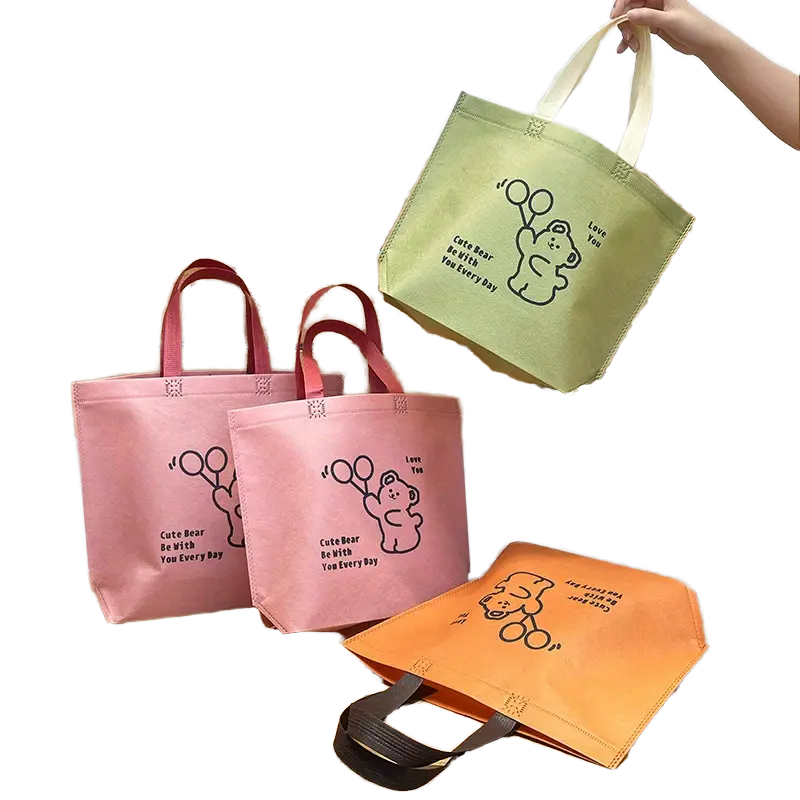
Non woven bags cut down on those expensive setup fees that come with regular manufacturing methods. The way they're made is much simpler too, using something called spunbond polypropylene which doesn't need nearly as much special equipment as the woven versions do. When companies want to run limited time promotions or test new markets, these savings really add up. Industry numbers from 2023 show businesses can save anywhere between 30 to 50 percent on their first round of expenses when going with non woven options instead of traditional materials. And if a company decides to go big and order in bulk quantities, like say 5,000 units at once, the price per bag drops even more dramatically. We're talking around 40% cheaper than ordering smaller amounts, which means companies reach the point where they start making money back on their investment much faster than expected.
Affordable Unit Cost at Scale: Bulk Orders Reduce Per-Bag Expense
The concept of economies of scale really comes into play with non woven bags. When companies order around 10 thousand units or more, they see significant reductions in both materials and labor expenses per item because machines run more efficiently and waste gets minimized during production. Most major suppliers have what they call tiered pricing structures. Basically, the price per bag goes down between 15 to maybe even 30 percent once orders hit those magic numbers at 5k, 10k, sometimes up to 25k units. What this means for businesses is that they can actually control their inventory costs pretty well without having to deal with all that excess stock buildup that tends to happen with traditional manufacturing setups where everything runs on fixed schedules regardless of demand.
Minimal MOQs and Fast Turnaround for Time-Sensitive Campaigns
Cotton and polyester bags usually need minimum orders of around 5,000 pieces before manufacturers will even consider producing them. Non woven bags work differently though they often start at much lower quantities like 500 to 1,000 units. Production time for these items can be surprisingly quick too sometimes as little as 10 to 14 days. Some factories can actually adjust their output within just two days after receiving an order confirmation. This kind of speed matters a lot when dealing with things like political events, music festivals, or holiday promotions where getting materials on time makes all the difference between success and wasted marketing dollars.
High Brand Visibility Without Premium Pricing
Superior Print Surface and Color Retention for Impactful Branding
Non-woven bags really stand out when it comes to getting your brand noticed, all while keeping costs reasonable. The material has this great smooth surface that works wonders for printing logos in high definition with bright colors that pop right off the bag. No need for special inks or fancy finishes either. Paper and canvas just don't hold up as well. We've all seen those paper bags where the ink runs or gets absorbed into the fibers, and canvas tends to have textures that mess with how the print looks. Non-woven fabric keeps graphics looking crisp even after multiple uses and won't fade away easily. According to research from the Promotional Products Association International, bags with quality printing actually boost brand recognition threefold compared to plain old generic ones. That's why so many businesses grab these for trade shows, new product rollouts, or holiday sales periods when they want people to notice their brand right away.
Non Woven Bag Cost Efficiency vs. Alternatives
Comparative Analysis: Non Woven Bag vs. Cotton, Polyester, and Paper
Looking at different promotional bag choices, non woven bags tend to be much better value for money when running short term marketing campaigns. Cotton bags come with a hefty price tag because they need expensive natural fibers and take lots of manual work to weave properly. Non woven versions cut down on costs by around half when buying in bulk quantities. Polyester bags might last longer but they actually cost about 25% more to make and aren't as good for printing logos and messages compared to non woven materials. Paper bags seem cheap at first glance, but they fall apart quickly if exposed to moisture or humidity. We've seen clients replace them multiple times during rainy seasons, which definitely eats into any supposed savings over time.
Non woven bags uniquely balance three critical factors:
- Affordability: Average $0.50–$1.50/unit at scale
- Durability: 3–5× longer functional lifespan than paper
- Brand impact: Superior color retention and print fidelity versus polyester
For campaigns under six months, non woven bags eliminate the over-engineering of cotton while outperforming paper in rain resistance and reuse potential—making them ideal for festivals, product launches, and seasonal promotions where budget constraints meet visibility requirements.
Strategic Fit for Short-Term Campaigns: Durability Meets Disposability
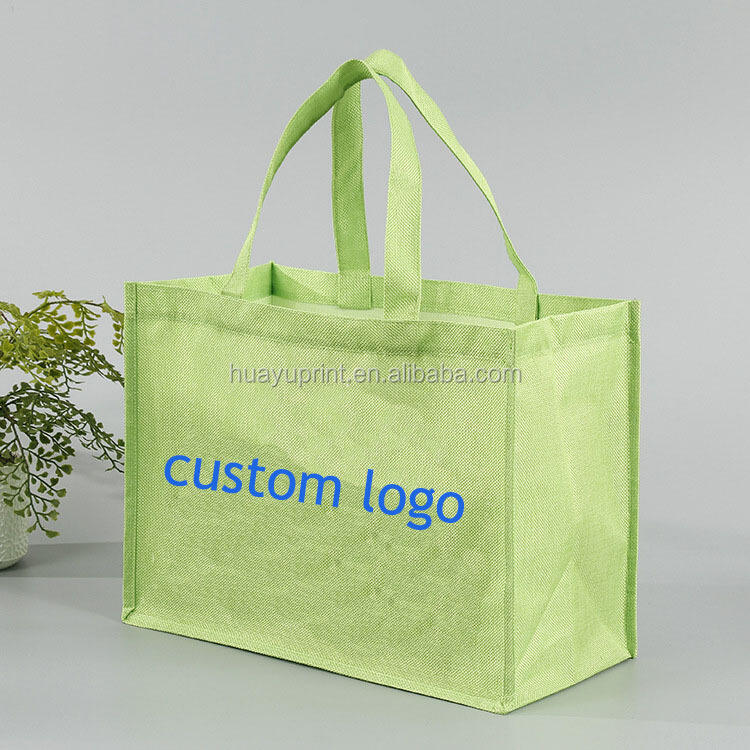
Non woven bags strike just the right note for short term marketing efforts. These bags handle all the usual stuff campaigns throw at them like carrying brochures, event giveaways, or even shopping from pop up stores without ripping or falling apart too soon. What's really good about them is that they stay strong enough to keep logos and messages clearly visible during the whole campaign run. And here's something important: these bags aren't meant to last forever like those fancy tote bags built to survive multiple years. Instead, non woven options are made specifically for what they need to do now at a much lower price point. Companies save money because they don't have to pay extra for features they won't actually use. According to recent data from packaging experts, businesses can cut costs anywhere between 20 to 40 percent when switching from heavier duty alternatives. That's why so many brands choose them for events, new product releases, or holiday sales where the main requirement is simply to perform well for a few weeks or months rather than decades. At the end of the day, companies get maximum exposure without wasting resources on unnecessarily robust packaging solutions.