 EN
EN
Non Woven Bag Branding: High-Visibility, Cost-Effective Retail Promotion
Extended Brand Exposure Through Repeated Customer Use
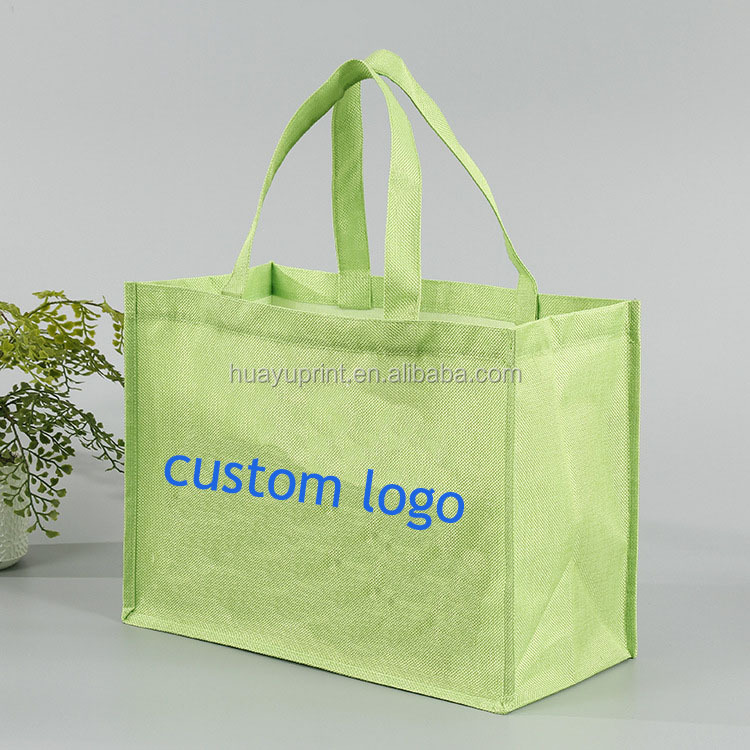
When people carry non woven bags around town, they become walking billboards for brands without even realizing it. These bags last way longer than those flimsy plastic ones too, probably around 10 to maybe even 20 shopping trips before they start showing wear. That means logos get seen again and again at places where lots of people pass by daily such as bus stops or downtown sidewalks. Every time someone grabs their reusable bag from the car trunk, the brand name gets another shot at making an impression, something regular advertisements just cant match when looking at what they cost per view. Grocery stores have caught onto this trick pretty well actually. They know that customers will naturally spot familiar brands while doing their weekly shopping runs, which helps build that all important brand awareness over time across different age groups and backgrounds.
Case Study: Leading UK Supermarket’s 2023 Campaign — 27% Lift in In-Store Brand Recall
In 2023, a big name in British retail rolled out something pretty interesting with those non woven bags. When they swapped out plastic for their own branded reusable options at the checkout counters, something happened - people started remembering their brand more. About 27% more shoppers recalled the company without prompting after just six months. What made this work? Well, first there was the eye catching digital prints that stayed clear even after multiple washes. Second, it tapped into what most customers want these days. Around 68% of folks shop at places that actually do something green. So basically, the campaign hit both looks and ethics at once. The result? Real money saved and spent wisely, plus getting ahead of new EU rules about using recycled materials in packaging.
Sustainability Meets Performance: Why Supermarkets Choose Non Woven Bags
Durability & Reusability: 12–15+ Trips per Non Woven Bag Drives ROI and Eco-Credibility
Non-woven shopping bags are pretty tough stuff actually lasting anywhere from 12 to maybe even 15 shopping excursions before showing signs of wear, especially when they carry hefty items weighing between 10 and 25 kilograms. The fact that these bags can be reused so many times means stores save money on replacements and significantly reduce plastic trash in landfills some studies suggest as much as 80% less waste than those flimsy single use plastic bags we all know too well. For grocery chains specifically, there's another benefit too. When shoppers keep using these durable bags over and over again for their weekly food shopping, tossing gym clothes inside them on the way home, or just grabbing them for quick trips to the hardware store, it creates free exposure for the retailer. Every time someone carries one of these bags around town, it's basically free advertising without anyone even realizing it.
Regulatory Alignment: Meeting EU and APAC Recycled Content Mandates (80%+ by 2026)
Forward-thinking supermarkets leverage non woven bags to comply with tightening global sustainability regulations. The European Union and Asia-Pacific markets now mandate 80%+ recycled content in retail packaging by 2026. Non woven polypropylene bags meet these standards cost-effectively, as their manufacturing consumes 40% less energy than traditional plastics while supporting circular-economy frameworks.
Design and Print Excellence: Maximizing Impact with Non Woven Bag Customization
Superior Print Clarity and Surface Consistency for Premium Brand Expression
Non woven bags have these really smooth surfaces that let logos look super sharp and colors stay bright and true. Traditional fabrics often bleed ink or leave patches where coverage isn't even, but not so with non woven materials. Supermarkets love this because their branding just looks professional no matter what size they need. The texture is so consistent that detailed designs and small text actually come out looking exactly like they did on the computer screen before printing. Some studies point to around 68 percent of shoppers linking good print quality directly to how trustworthy they find a brand, which makes clear visuals pretty important for stores wanting to position themselves as premium options. Woven materials tend to warp or stretch when printed on, messing up the final look, while non woven fabrics hold their shape throughout the whole printing process without distorting anything.
Full-Color Digital Printing on Laminated Non Woven Bags Enhances Shelf-to-Street Visibility
Digital printing tech has really changed what we can do with those non woven shopping bags. They now look almost like real photos with all sorts of colors and gradients that just pop off the material. If we add some kind of protective layer on top, the colors stay vibrant for about three times longer even after someone uses the bag over fifty times. The shiny coating makes colors look brighter and creates a surface that wipes clean easily, which is great since these bags often get handled in stores. Retailers have noticed something interesting too - when left outside, these printed bags still maintain their appearance around 94% of the time based on some market research they've done. Plus, this laminated treatment actually strengthens how the fibers hold together in the fabric itself. So not only does the brand logo stay looking fresh after multiple trips from store to home, but the bag itself lasts much longer overall.
Scalable Procurement: Low-Cost, High-Volume Non Woven Bag Sourcing for Supermarkets
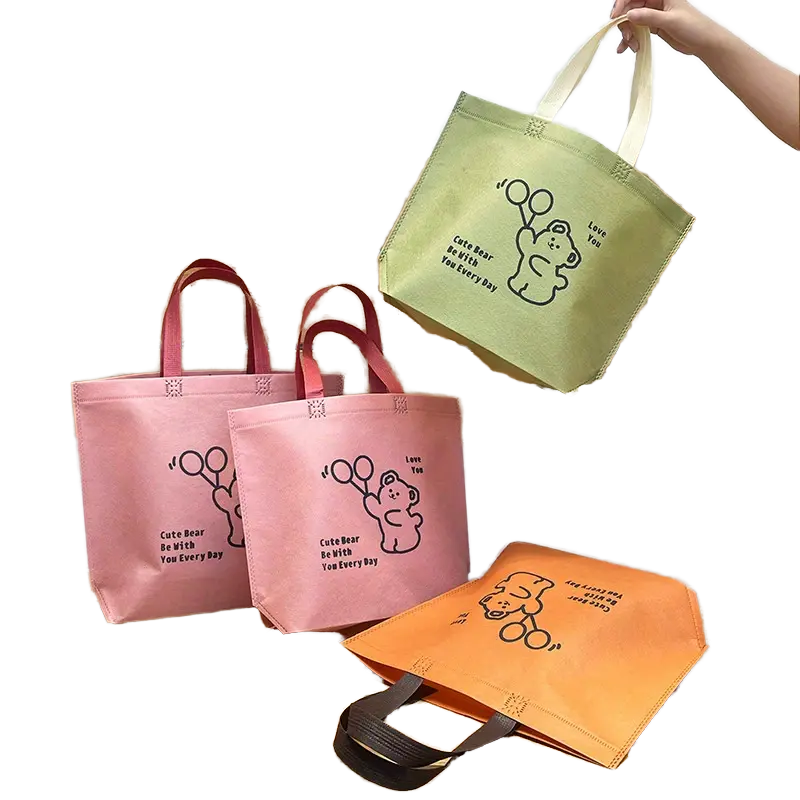
When supermarkets buy custom non woven bags in bulk quantities, they save quite a bit on their overall expenses. The price per bag usually drops somewhere between one and three dollars, which means stores can distribute these branded items widely without breaking the bank on marketing. Big suppliers have developed efficient systems that handle everything from printing logos to shipping out orders, so when there's a rush for extra bags during holiday sales or special promotions, they're ready to go. What makes this approach work so well is that even though supermarkets want each bag to carry their brand identity, adding new designs doesn't really add much extra cost. They manage to keep all those thousands of bags looking uniform while still complying with local laws about recycled materials in different areas. Most companies will accept orders starting around 1,000 units and get them done within two to three weeks, giving marketers enough time to plan ahead. And let's face it, nobody wants flimsy bags that fall apart after just a few trips. These bulk purchases actually result in decent quality products that last at least a dozen times before needing replacement.
Table of Contents
- Non Woven Bag Branding: High-Visibility, Cost-Effective Retail Promotion
- Sustainability Meets Performance: Why Supermarkets Choose Non Woven Bags
- Design and Print Excellence: Maximizing Impact with Non Woven Bag Customization
- Scalable Procurement: Low-Cost, High-Volume Non Woven Bag Sourcing for Supermarkets