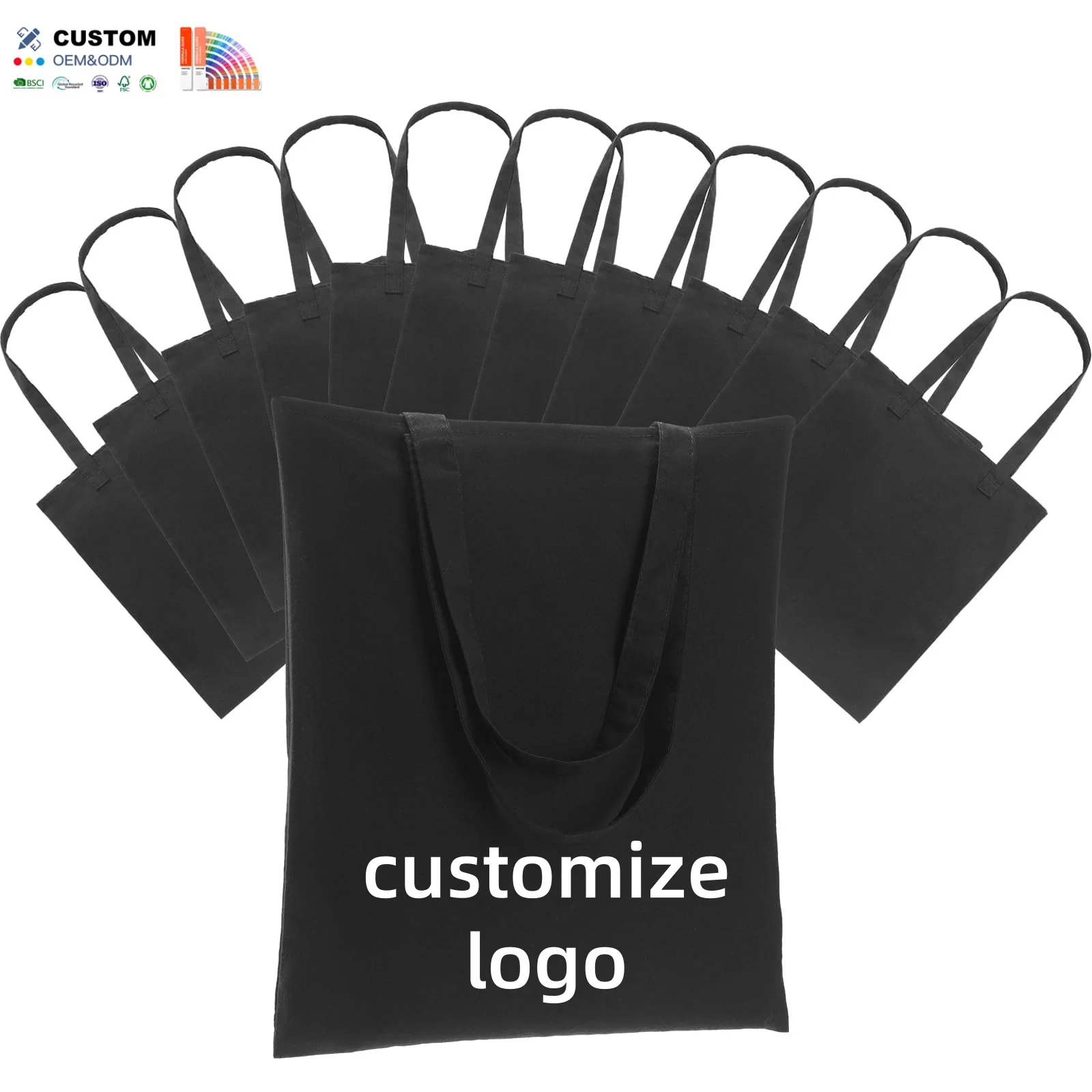
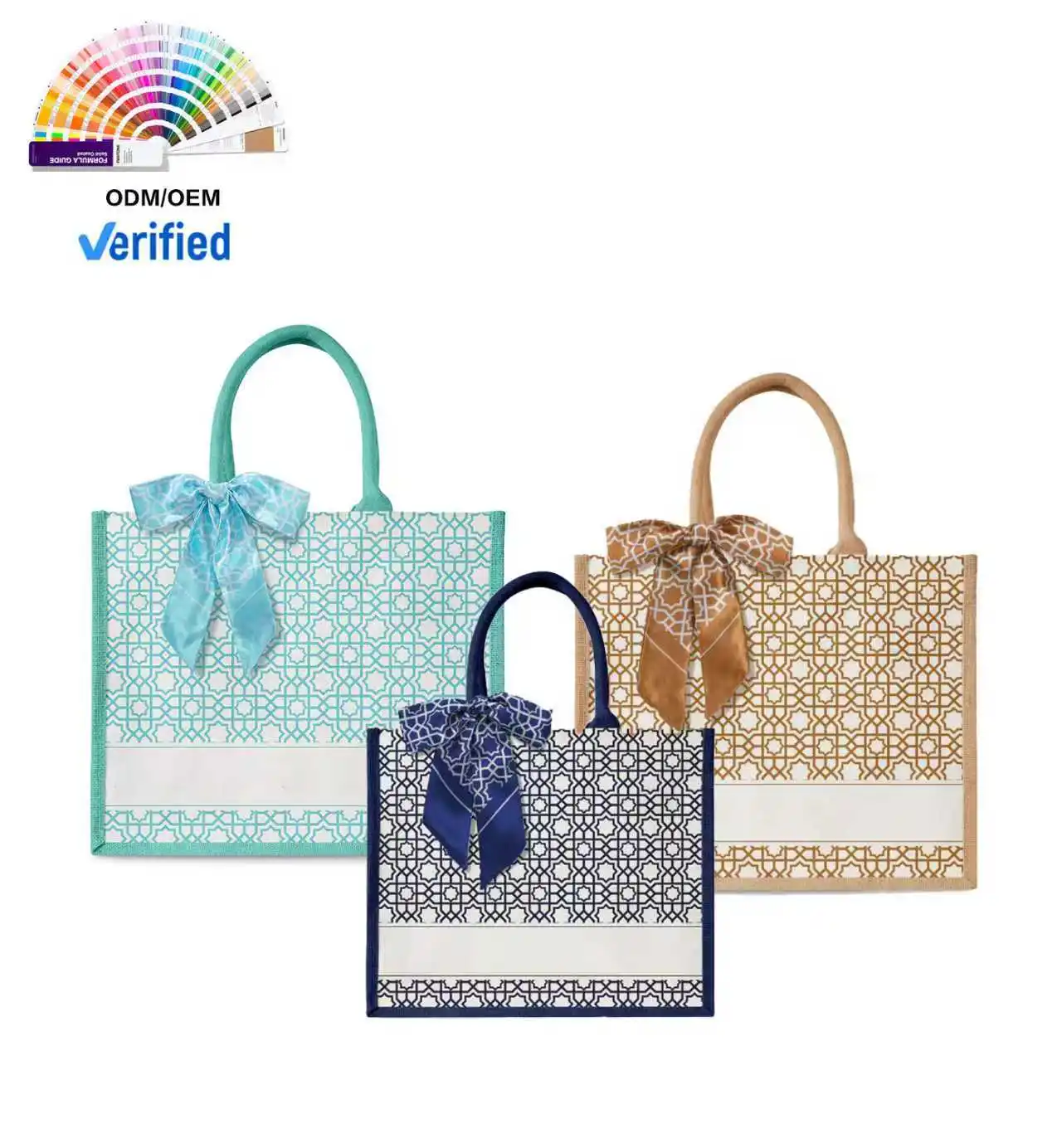
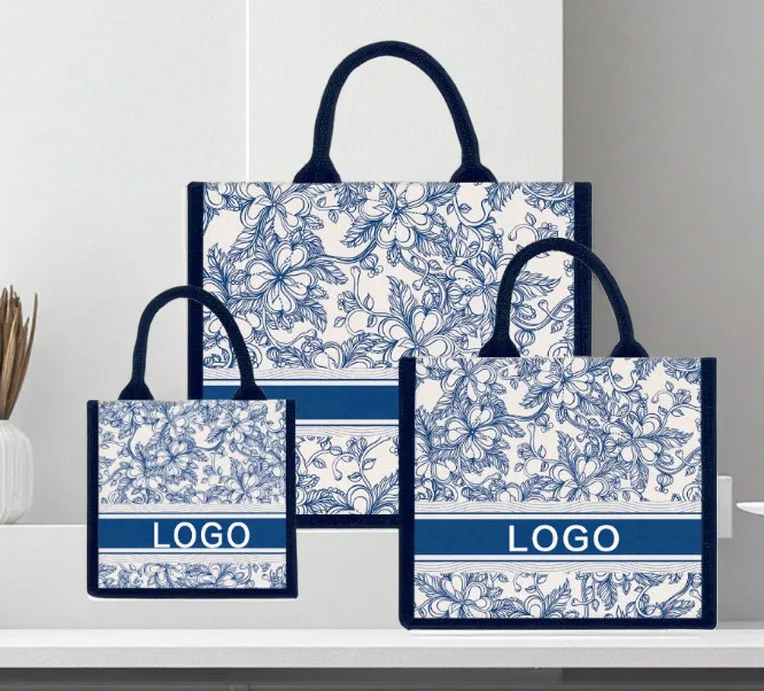
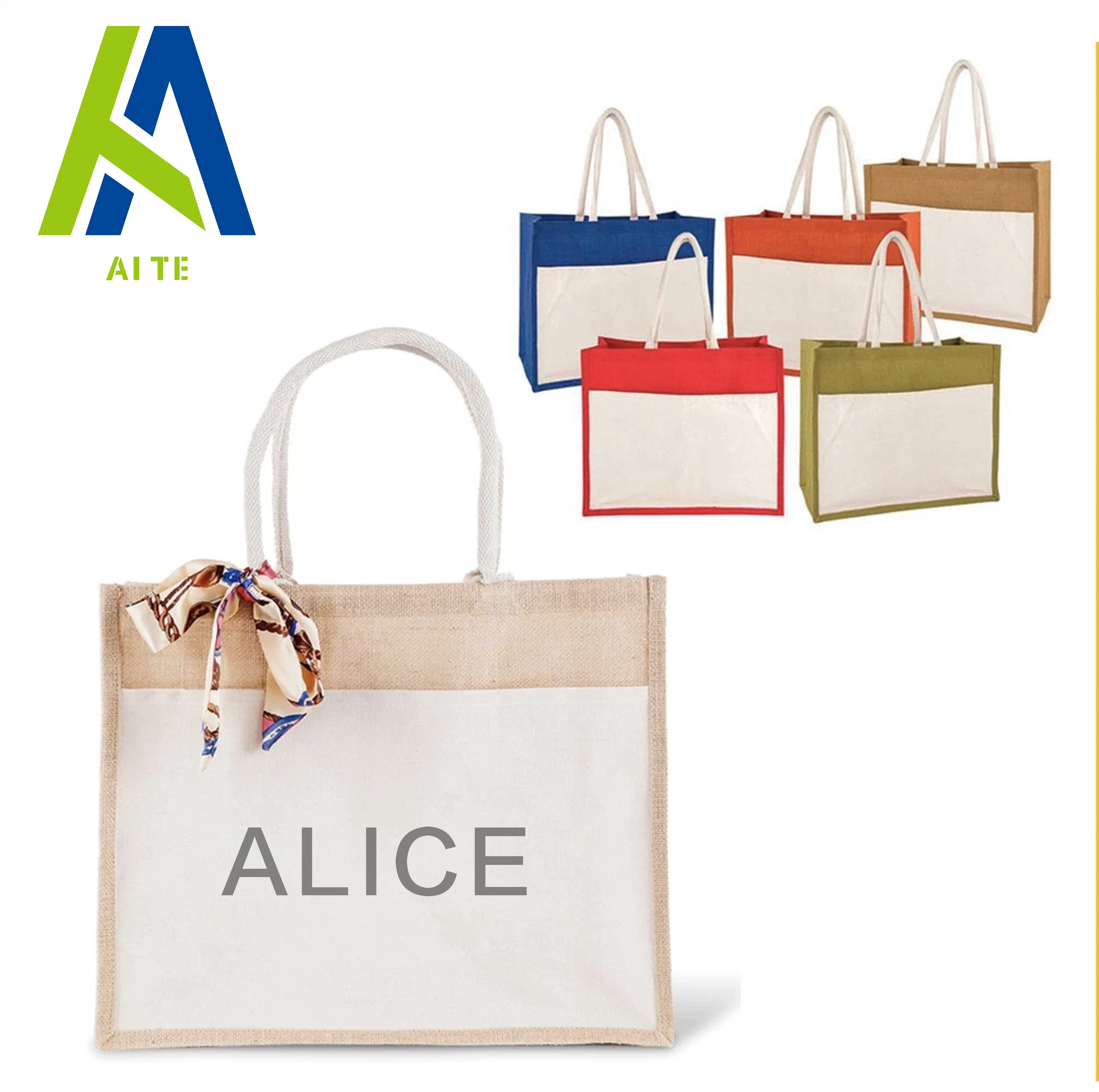
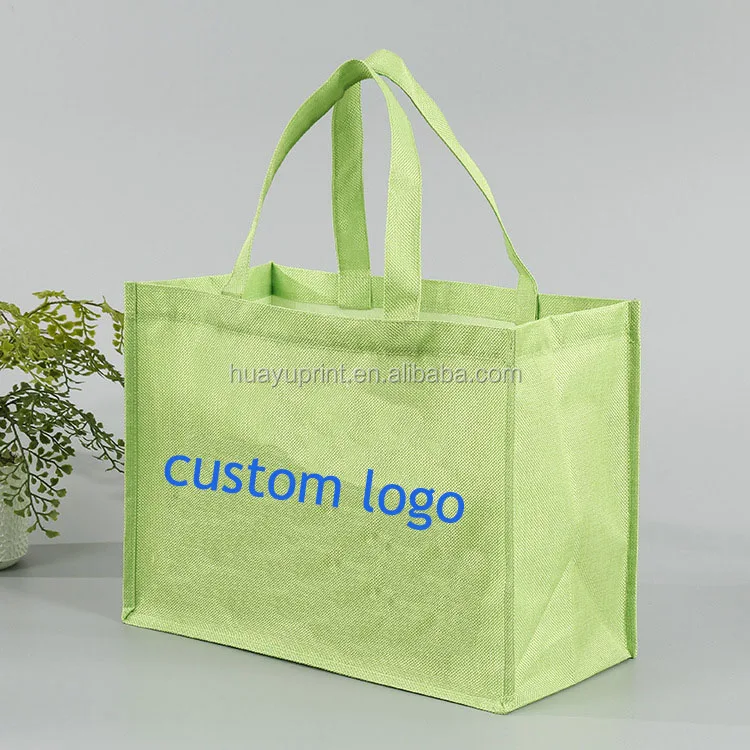
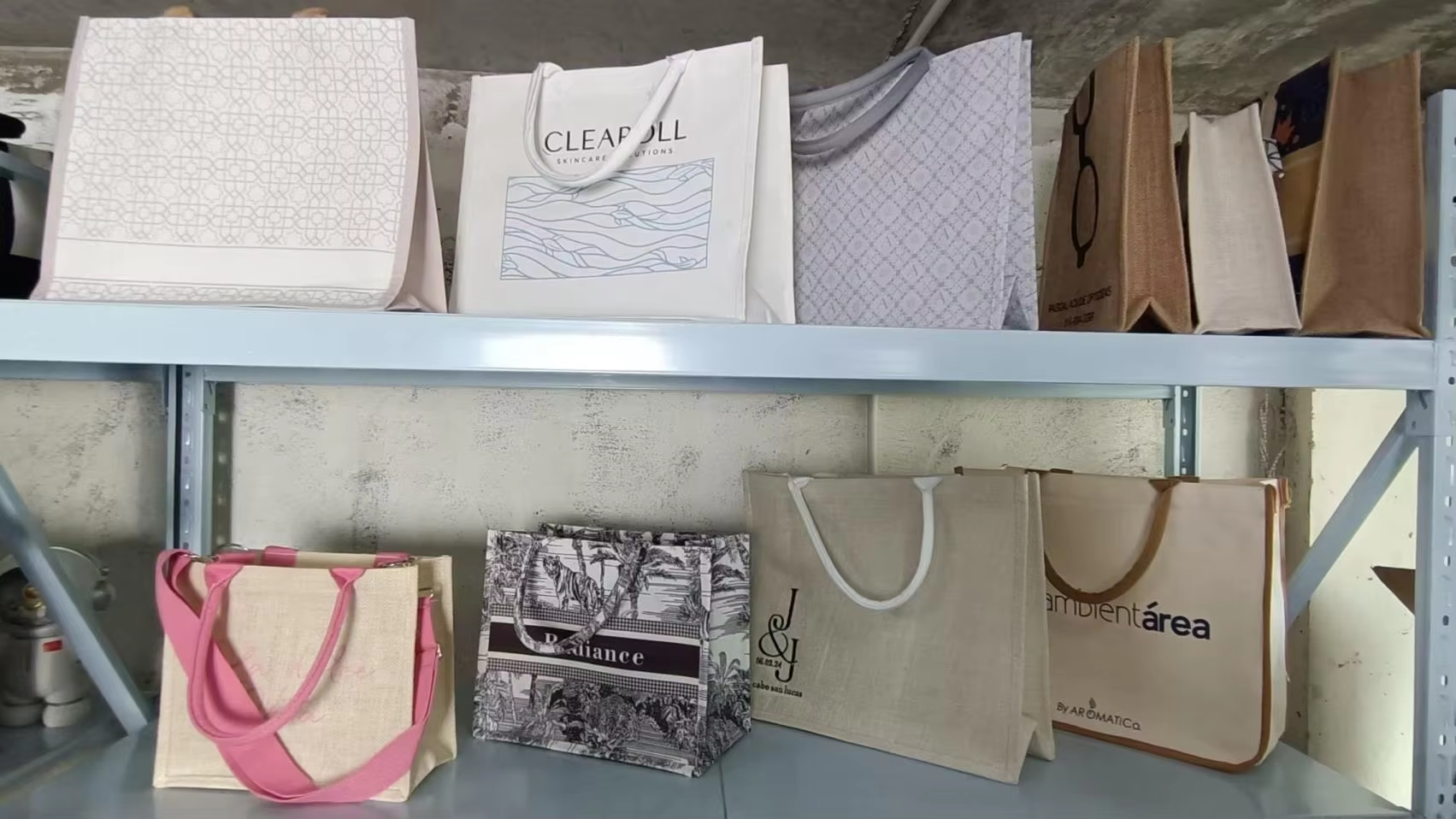
Canvas bags have become more than just practical accessories—they’re walking billboards for brands, blending durability, eco-friendliness, and daily usability. When you customize a canvas bag to align with your brand identity, it turns a simple item into a powerful tool that reinforces your brand’s values, visual style, and message every time someone uses it. But how do you make sure the customization process stays true to your brand, from material choices to final details? Below’s a straightforward guide to help you craft canvas bags that feel like a natural extension of your brand.
Start with Material Choices That Reflect Brand Values
The first step in customizing a canvas bag for your brand is picking materials that match what your brand stands for—because the fabric itself sends a message. For example, if your brand prioritizes sustainability, opt for eco-friendly canvas options like 100% cotton canvas or organic cotton. These materials are breathable, soft, and biodegradable, which tells customers you care about reducing environmental impact. On the other hand, if your brand focuses on durability (say, for a workwear or outdoor brand), go for thicker, sturdier options like 12oz or 16oz poly-cotton canvas—it’s resistant to wear and tear, so the bag will hold up to heavy use and keep your brand visible longer.
Production-wise, make sure the materials meet your brand’s quality standards. Look for manufacturers that use non-toxic, eco-friendly dyes—this matters not just for the planet, but also for customers who value safe, chemical-free products. If your brand is all about premium quality, check that the canvas has a tight weave (to avoid fraying) and that any accessories (like zippers or webbing) are high-grade. For instance, a luxury brand might choose brass zippers over plastic ones, while a casual, budget-friendly brand could opt for durable nylon webbing that still fits their vibe. The key is: every material choice should tie back to what your brand represents.
Align Color Customization with Brand Visuals
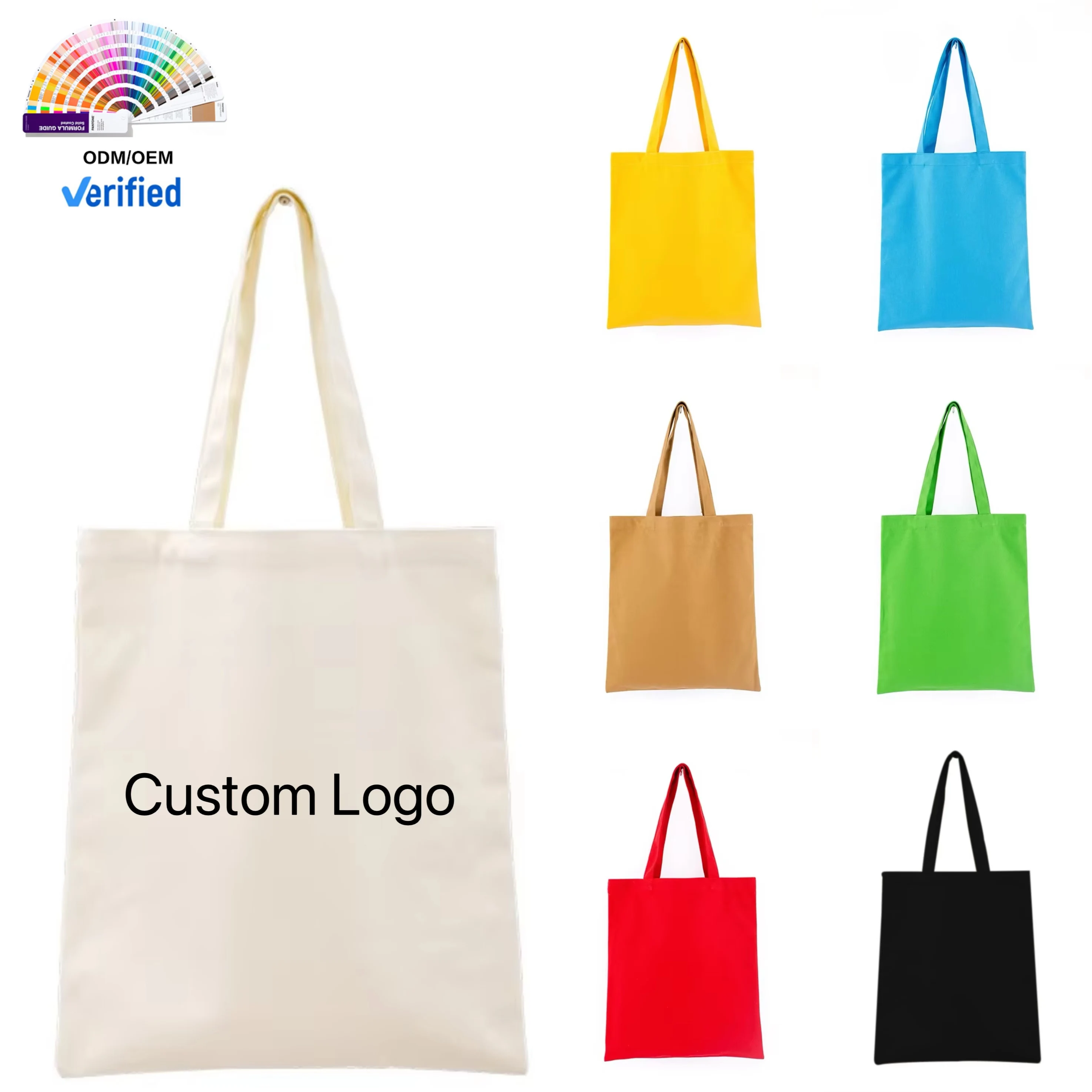
Color is one of the most immediate ways to make a canvas bag feel “on-brand”—it’s the first thing people notice, so getting it right is crucial. Start by using your brand’s existing color palette: if your logo and marketing materials use specific shades (like a bold blue for a tech brand or a soft beige for a wellness brand), match the canvas bag’s base color to those. Many manufacturers offer a wide range of color options—some even up to 70 shades—so you don’t have to settle for generic whites or creams.
Don’t be afraid to get creative with color to stand out, as long as it fits your brand. If your brand is playful and energetic, try color blocking (like pairing your brand’s primary color with a complementary accent) or subtle gradients. For example, an eco-focused brand might use a green-to-blue gradient to symbolize nature. If your brand is more minimalist, stick to neutral tones (black, gray, natural cotton) and let your logo or details pop with a contrasting color.
During production, confirm that the dyes used are long-lasting—you don’t want the bag to fade after a few washes, which would make your brand look unprofessional. Ask manufacturers about their dyeing processes; advanced techniques ensure colors stay vibrant, even with regular use. Also, if you’re adding a logo or design, pick ink colors that complement the canvas base—for example, a light logo on a dark canvas or a bold logo on a light one—to keep your brand’s visual identity clear.
Choose Logo & Design Techniques That Boost Brand Recognition
Your logo or brand design is the heart of the canvas bag’s customization—it’s how people will associate the bag with your brand. The trick is to pick a printing or embroidery technique that fits both your logo’s style and your brand’s tone.
If your brand has a bold, simple logo (like a sleek icon or short slogan), silk-screen printing is a great choice. It’s cost-effective for bulk orders, produces bright, sharp results, and works well on most canvas types—perfect for promotional bags given out at trade shows or events. For brands that want a more premium, textured look (think luxury or high-end lifestyle brands), embroidery is the way to go. Stitched logos feel more durable and sophisticated, and they hold up well over time—great for employee gifts or client thank-yous.
If your design is more detailed (like a graphic with multiple colors or a photo), heat transfer or digital print transfer works better. These techniques can capture fine details without losing clarity. For extra flair, consider special finishes: a tech brand might use metallic ink for their logo to add a modern touch, while a heritage brand could use foil stamping for a classic, timeless look.
During production, make sure the design is placed strategically. Most brands put their logo on the front of the bag (where it’s easiest to see), but you can also add smaller details—like a tagline on the side or a tiny brand mark on the handle—to keep the look cohesive. And don’t forget to test the design first: ask for a sample to check that the logo size, color, and placement look right on the actual canvas—what works on a digital screen might look different on fabric.
Add Functional Details That Fit Brand Use Cases
A canvas bag that’s customized for your brand shouldn’t just look good—it should work in ways that match how your audience will use it. Think about your brand’s typical customer and what they need from a bag; then, add functional details that make the bag more useful (and keep your brand top of mind).
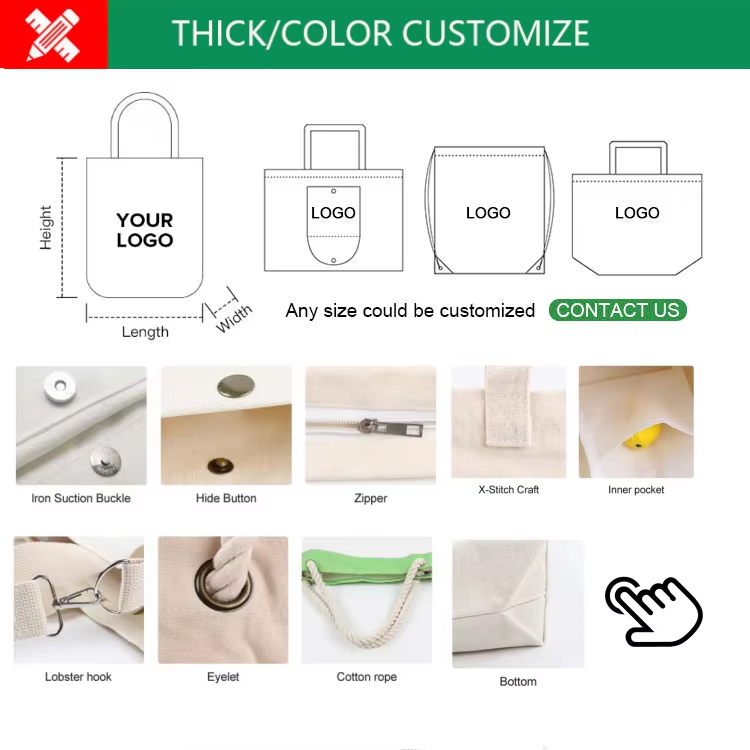
For example, if your brand targets busy professionals, add features like an inner pocket for phones or a laptop sleeve—this makes the bag perfect for commuting, and every time someone uses that pocket, they’ll think of your brand. If you’re a beach or travel brand, go for a large, open tote with a durable cotton rope handle (easy to carry over shoulders) and a water-resistant lining (to protect valuables from sand or spills). A brand focused on minimalism might skip extra pockets and opt for a sleek, adjustable sling strap—simple, but functional for everyday use.
Small details matter too, and they can tie back to your brand’s style. If your brand is modern, choose slim, matte black hardware (like buckles or eyelets); if it’s more classic, go for silver or brass. Reinforced stitching on handles is another must—especially if your brand is about durability—because it shows you care about quality. Even the bag’s size should align with your brand: a wellness brand might offer a compact tote for gym gear, while a retail brand could choose a larger size for shopping trips.
Collaborate with Manufacturers for Quality & Consistency
Finally, to make sure your customized canvas bags stay true to your brand identity, work closely with your manufacturer throughout the production process. Good manufacturers will help you fine-tune details and ensure every bag meets your brand’s standards.
Start with a sample: before placing a bulk order, ask for a physical sample. This lets you check the material feel, color accuracy, logo clarity, and functional details—if something’s off (like a logo that’s too small or a handle that’s uncomfortable), you can adjust it before production starts.
Communicate your brand’s priorities clearly. If sustainability is key, confirm the manufacturer uses eco-friendly production methods (like ISO 9001-certified processes). If you need the bags for a specific event, share your timeline upfront—reliable manufacturers will work with you to meet deadlines, and some even offer fast delivery options for last-minute needs.
Also, ask about quality control steps. You want a manufacturer that checks every bag for flaws—loose threads, uneven stitching, or faded logos—before shipping. This ensures that every canvas bag that reaches your customers is consistent, high-quality, and true to your brand.
Wrap-Up
Customizing a canvas bag to match your brand identity isn’t just about adding a logo—it’s about creating a product that tells your brand’s story through materials, colors, details, and quality. When done right, the canvas bag becomes more than an accessory: it’s a way for customers to carry your brand with them, share your values, and keep your message top of mind. By focusing on what your brand stands for, and working with manufacturers who understand those goals, you’ll end up with canvas bags that feel uniquely “you.”
 Hot News
 EN
EN