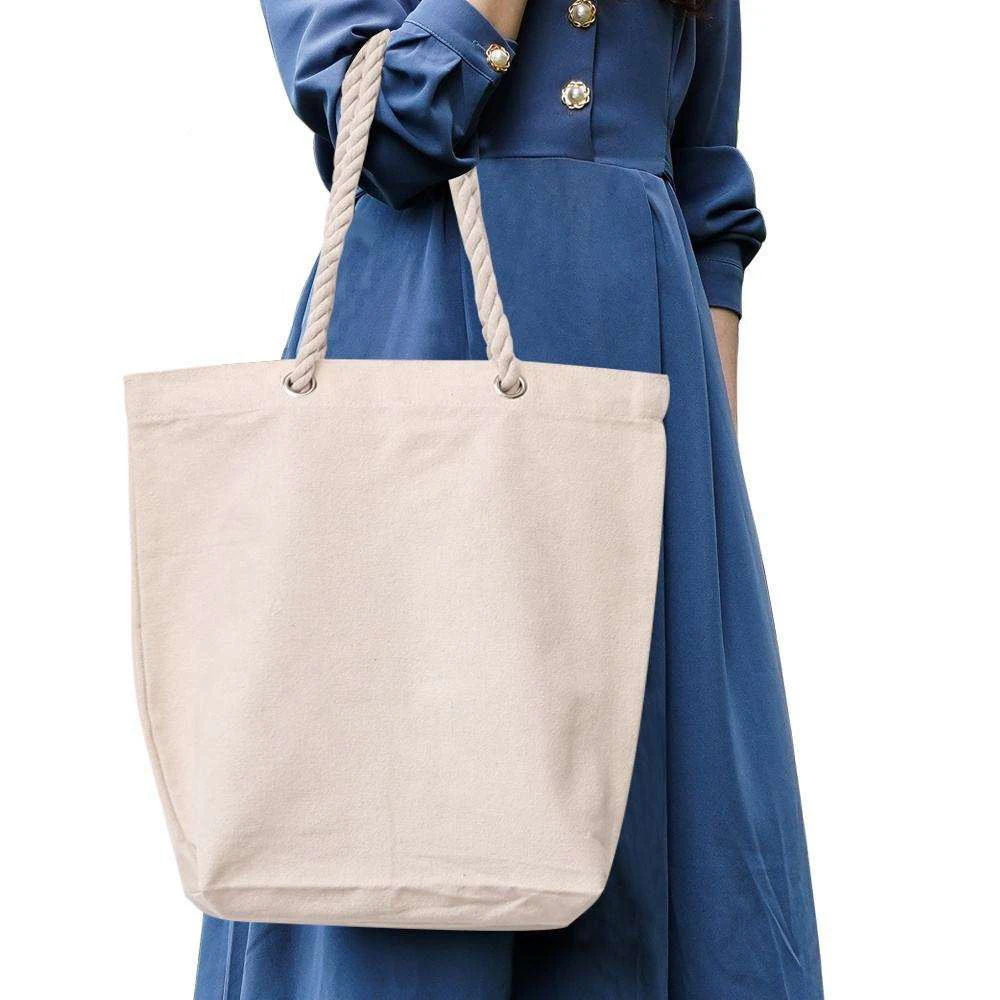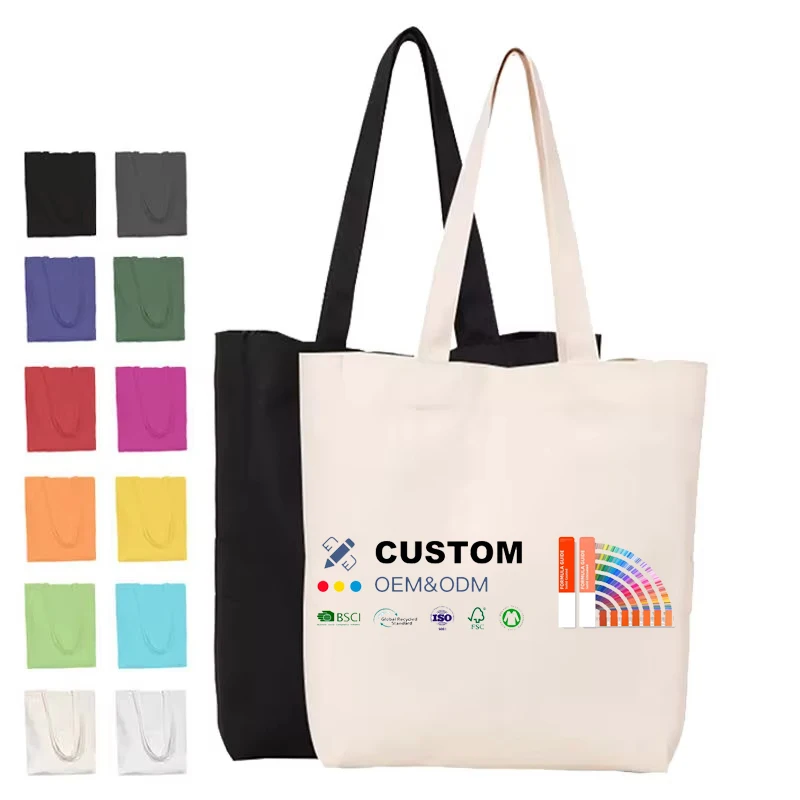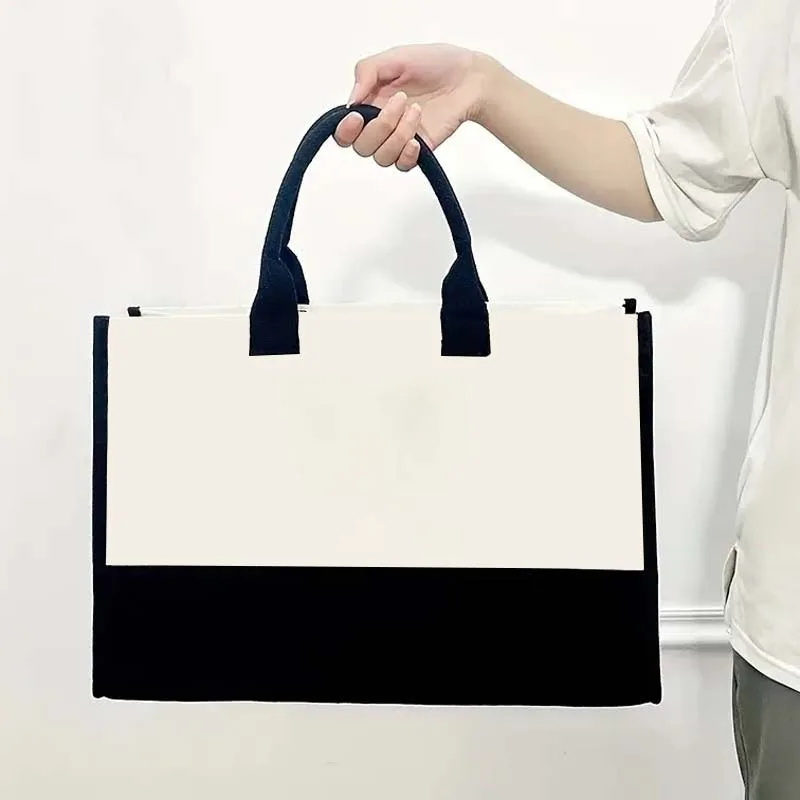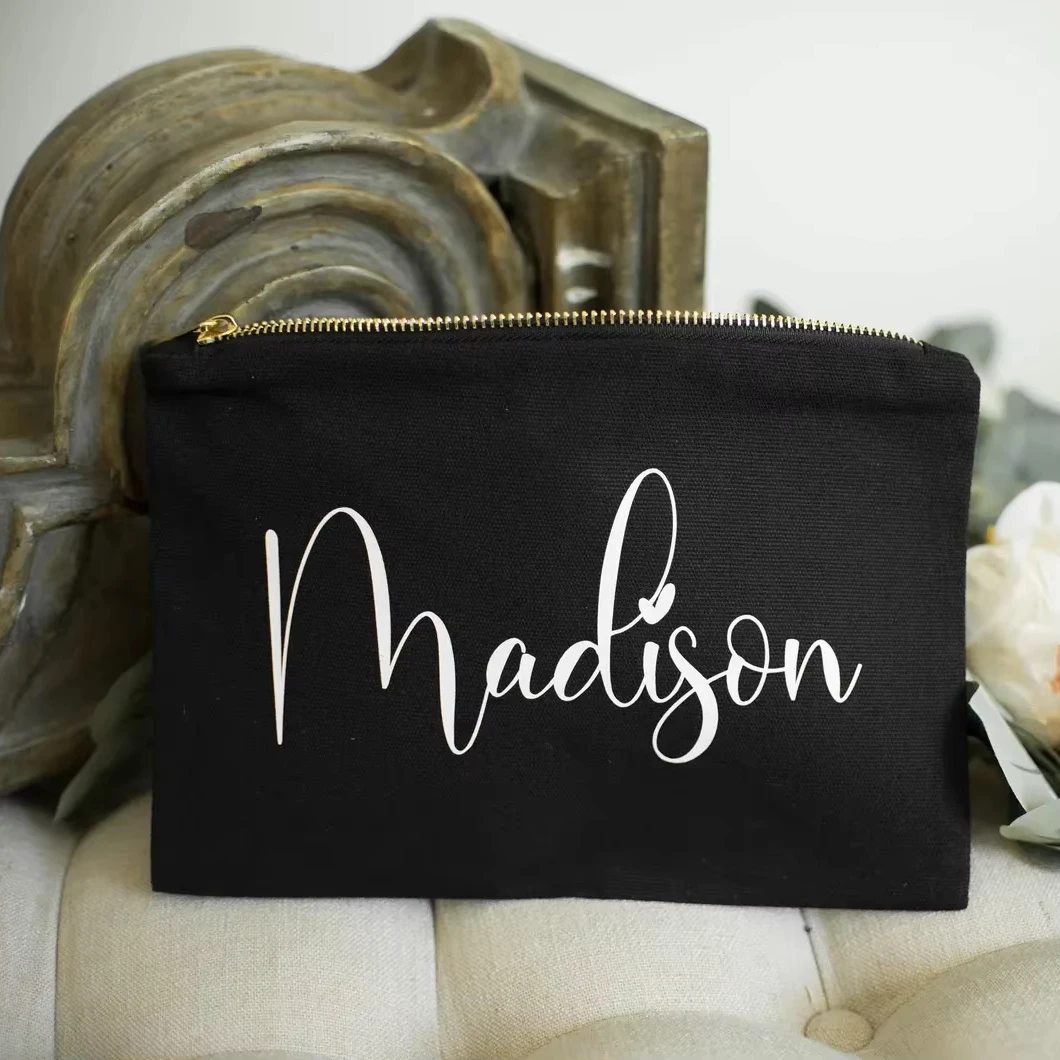
When it comes to emissions, canvas bags are way better for the planet compared to those throwaway plastic ones we all know too well. Plastic bags clock in at around 3.8 kg of CO2 per kilogram made according to Textile Exchange data from last year, while organic cotton canvas uses about half that energy across its whole life cycle. What really makes a difference though is how many times these canvas bags can be used again and again. A single good quality canvas tote can actually replace somewhere between 500 to 700 plastic bags over time, which means fewer greenhouse gases building up in our atmosphere. Plus, since canvas doesn't come from oil like plastic does, there's no need for drilling or those energy hungry refining processes. And let's not forget how easy they are to carry around when not in use thanks to their foldable nature, making them much easier to transport without adding extra carbon footprints during shipping.
Using natural fiber canvas gets rid of those long term pollution problems we see with regular promotional stuff. When left untreated, this material breaks down in around 2 to maybe 5 months if conditions are right, whereas plastic takes over 500 years to disappear completely. Another big plus is that it doesn't release any microplastics into the environment. The International Union for Conservation of Nature reported back in 2023 that pretty much all marine life has been affected by ingesting these tiny plastic bits. With organic cotton canvas, there's no worry about pesticides washing into waterways either. And when people are done with their recycled cotton products, they actually help keep old textiles out of landfills instead of just sitting there forever. At the end of its useful life, canvas materials can go through commercial composting facilities or get mechanically processed again, which helps support those circular economy ideas everyone keeps talking about without leaving behind any dangerous particles.
| Environmental Factor | Canvas Bags | Plastic Bags |
|---|---|---|
| Decomposition Time | 2-5 months (natural) | 500+ years |
| Microplastic Release | None | 1.5 million particles/kg |
| Replacement Ratio | 1:700 single-use equivalents | N/A |
Most canvas bags will stick around for about 3 to 5 years if someone actually uses them regularly. That means each bag gets touched by consumers hundreds of times before it wears out completely, way more than those flimsy plastic options we all know too well. The tough construction keeps logos and branding visible long after purchase since people tend to bring these bags everywhere they go. Grocery shopping? Work meetings? Concerts on weekends? Yep, wherever folks end up carrying their stuff, the brand stays front and center. And best part? No extra money spent on ads because every single trip becomes free promotion for whoever printed their name on there.
Canvas bags actually give better value because they keep getting seen again and again. Studies show one canvas bag can be spotted around 1,000 times throughout its life, while plastic bags typically get used only once or twice at most. When looking at costs, canvas comes out way ahead too. The price tag for every 1,000 views is between $3 and $7 for canvas, whereas single use options cost anywhere from $50 to $200. That means canvas bags are roughly 300 times more efficient when it comes down to bang for your buck. Plus these durable bags tend to stick around with consumers for three years or longer, so brands stay top of mind without creating mountains of waste. They really do pack a punch as promotional items without all the environmental baggage.
| Metric | Canvas Bag | Single-Use Item |
|---|---|---|
| Average impressions | 1,000+ per lifecycle | 1–3 uses |
| Cost per 1,000 impressions | $3–$7 | $50–$200 |
| Consumer retention period | 3+ years | Hours to days |
When it comes to what people buy, sustainability plays a big role these days. According to the latest Eco-Consumer Index, around three out of four eco-minded shoppers gravitate toward companies that hand out stuff like canvas bags instead of plastic ones. The youngest generation especially cares about this stuff. For Gen Z and Millennials, those reusable tote bags aren't just practical items but actual proof that a company takes environmental issues seriously. Companies that switch to canvas have seen their trust ratings jump by nearly half compared to those still using disposable options. Canvas works so well because it's something real that lasts for years, which helps cut down on suspicions that brands might be faking their green credentials. A recent survey found that over two thirds of people actually feel better about supporting businesses when their giveaways match their stated environmental values.
One major clothing brand started rolling out organic cotton canvas bags throughout all their stores, highlighting how these bags break down naturally and can be reused over 500 times. After just half a year on the market, customer interest jumped 27% according to survey results, while people's views on the brand's green credentials went up 33 points overall. What worked so well was matching something useful with honest talk about environmental impact. By switching away from those throwaway freebies, the company cut its yearly carbon emissions by nearly 20%. This shows that making responsible decisions doesn't just feel good for the planet, it actually helps businesses grow sustainably too.
Customizing canvas bags allows brands to express identity while upholding environmental standards. Key eco-friendly techniques include:
Adding things like recycled cotton linings, adjustable organic straps, and closures that can be used again really boosts how useful these products are while supporting what's called circular design. People actually end up using them more often in day to day life. According to some recent studies from Packaging Insights back in 2023, when bags are custom made and meant to last, they create about three times as many impressions compared to regular disposable ones. When companies choose materials certified by GOTS standards or go for hardware made from reclaimed metals, they're basically telling their story about being green through every single design choice they make. Each bag becomes not just an item but something that reflects the brand's core values in action.
 Hot News
2025-11-20
2025-11-18
2025-11-17
2025-12-23
2025-12-20
2025-12-19

Wenzhou Aite Bag Co., Ltd. provides custom canvas bags, jute bags, and non-woven tote bags for global brands. ISO 9001-certified, 20+ years’ experience, 4000+ clients. Request a quote today!
2nd Floor, Block B, Building 15, Luggage Small And Micro Garden, Qianku Town, Cangnan County, Wenzhou, Zhejiang, China
Copyright © 2025 by Wenzhou Aite Bag Co., Ltd. Privacy Policy
 EN
EN