
 EN
EN
Define Your Audience to Inform Custom Tote Bag Design Decisions
Demographic and Psychographic Segmentation: Students, Urban Professionals, Eco-Conscious Shoppers, and Retail Customers
Effective custom tote bag design starts with precise audience segmentation. Distinct priorities emerge across key groups:
- Students prioritize affordability and functionality—lightweight construction, ample capacity for laptops and textbooks, and reinforced handles for daily campus use.
- Urban professionals seek minimalist style, durability for transit, and water-resistant fabrics that maintain appearance through rain or subway commutes.
- Eco-conscious shoppers require verified sustainable materials—GOTS-certified organic cotton, rPET from post-consumer plastic, or biodegradable jute—and transparent sourcing narratives.
- Retail customers value brand alignment through premium textures, subtle logo placement (e.g., discreet embroidery), and tactile quality that reinforces perceived value.
Psychographic drivers—including sustainability values, convenience expectations, and identity expression—refine these segments beyond age or income alone.
Functional & Aesthetic Expectations by Segment: Durability, Style, Sustainability, and Brand Alignment
Mismatched features reduce tote bag usage by 63%, according to promotional product efficacy research. Aligning design with segment-specific expectations is essential:
- Durability: Students need double-stitched seams and reinforced base panels; urban professionals benefit from abrasion-resistant fabrics and ergonomic, padded straps.
- Style: Minimalist silhouettes and muted palettes appeal to professionals; bold graphics, vibrant colors, and playful typography resonate with students and trend-focused shoppers.
- Sustainability markers: Eco-conscious buyers verify certifications—not just claims—so highlight GOTS, Fair Trade, or B Corp credentials directly on labels or QR-linked sourcing documentation.
- Brand alignment: Retail clients associate discretion with sophistication—opt for tonal embroidery over high-contrast prints, and prioritize fabric hand-feel and drape as silent brand signals.
Infuse Brand Identity into Every Aspect of the Custom Tote Bag
Visual Translation: Color Psychology, Typography, Logo Placement, and Tone of Messaging
What we see visually tells a story about what a brand stands for. Take royal blue for instance it makes people think of trustworthiness and dependability which is why banks and schools often go with this color. On the flip side, bright orange shouts out energy and friendliness making it a good pick for companies in fashion or design fields. When it comes to fonts, they should match the brand personality. Clean lines like those found in Inter or Helvetica Neue give off a contemporary vibe and make things easy to read. Fonts with little decorative bits at the ends such as Merriweather tend to feel more traditional and authoritative. Where logos appear matters too. Putting them near the top center where most eyes naturally fall works best for getting noticed without looking forced. Some brands choose to place their logos on the sides or even inside folds though this subtle approach can actually enhance the perception of quality and exclusivity.
Balance aesthetics with function using evidence-based guidelines:
- Use dye-sublimation or pigment printing for colorfastness on performance fabrics
- Maintain minimum 10pt font size for legibility at arm’s length
- Preserve 30% negative space around logos to prevent visual clutter
- Limit messaging to ¥7-word phrases—concise copy boosts recall and shareability
Consistent application of these elements increases brand recognition by 80%, per Lucidpress’s 2023 branding efficacy study.
Sustainability as Core Brand Language: Ethical Materials, Certifications, and Transparent Sourcing
These days sustainability isn’t something companies can ignore anymore—it has become basically essential for staying competitive. People are willing to spend about 27 percent extra on products that have real green credentials according to Nielsen research from last year, though they tend to care less about these claims unless there’s actual proof from independent sources. When choosing materials, focus on ones that make a tangible difference. Take GOTS certified organic cotton for instance, which gets rid of those harmful chemical pesticides. Or look at rPET fabric created from around twelve plastic bottles each piece, helping cut down on landfill waste significantly. Certifications such as Fair Trade or becoming a B Corporation go beyond just being good for the planet. They actually show commitment to fair working conditions throughout the entire supply chain too.
Consumers respond most strongly to concrete, human-centered storytelling: “This tote repurposes 12 single-use plastic bottles” outperforms vague terms like “eco-friendly” by 63% in engagement (GreenPrint 2023). Embed credibility through woven certification labels or scannable QR codes linking to sourcing reports—turning functional accessories into tangible expressions of brand integrity.
| Attribute | Consumer Priority | Brand Alignment Example |
|---|---|---|
| Recycled content | 78% | rPET from post-consumer plastic |
| Biodegradability | 65% | Organic jute or Tencel¢ blend |
| Ethical production | 82% | Fair Trade certified cotton |
Build Emotional Resonance Through Storytelling and Strategic Personalization
Narrative-Driven Design: Leveraging Local Pride, Social Causes, or Lifestyle Aspirations
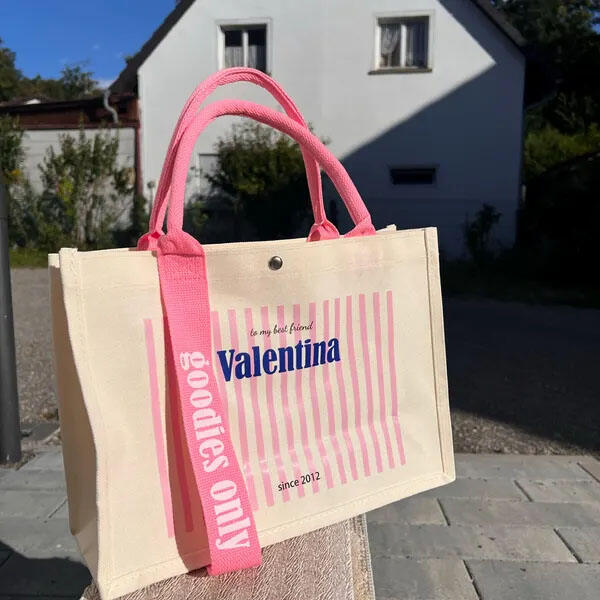
When custom tote bags showcase things people care about together or represent real life experiences, they become more meaningful to shoppers. Bags with local flavor - think city skylines, sayings from regional speech, or traditional patterns familiar to locals - tend to sell better. Studies show around 30% more interest from folks who value community connections. Brands that stand for something also build stronger customer bonds. About two thirds of buyers gravitate toward companies supporting causes they believe in themselves, like those eco-friendly totes with sea turtle graphics and environmental group logos. For people chasing certain lifestyles, simple design elements matter too. Clean lines with wellness symbols, quiet reminders of meditation practices, or fancy text styles catch attention from individuals wanting their purchases to match their goals. What starts as just carrying stuff turns into expressing who someone is through what’s on their shoulder.
Customization Methods Compared: Screen Printing, Embroidery, and Heat Transfer for Audience-Specific Impact
| Technique | Ideal Audience | Key Strengths |
|---|---|---|
| Screen Printing | Event attendees | Bold, high-contrast graphics; cost-effective at scale; excellent for cause-driven campaigns |
| Embroidery | Corporate clients | Premium tactile quality; longevity; conveys craftsmanship and brand prestige |
| Heat Transfer | Trend-focused shoppers | Photorealistic detail and gradient fidelity; ideal for limited-edition art collaborations |
Choose methods that reinforce psychographic alignment: screen printing amplifies mission-driven visibility, embroidery elevates gifting and retention, and heat transfer supports fast-fashion adjacency and influencer co-creations—all reinforcing distinct brand values through material execution.
Optimize Material, Structure, and Print for Functionality and Symbolic Meaning
When it comes to bags, what we choose matters in two ways at once. The materials we pick actually solve everyday issues while also sending out messages about who we are as a brand. Take organic cotton and recycled polyester for instance. These materials help protect the planet but still hold up well and look good too something students need since they carry around heavy books all day long and retailers want to showcase quality items. Then there are those little details that make all the difference. Handles stitched twice over, extra reinforcement where stress happens most, and stronger bases underneath everything. These aren’t just random additions they fix common problems like straps snapping when someone puts their laptop inside, yet somehow everything still looks put together rather than patched up.
Different print techniques bring out various meanings too. Screen printing works great for making bold statements that can scale across large groups of city dwellers who need something practical yet expressive. Embroidery brings a touch of understated elegance when it comes to gifts for business clients or colleagues. And then there’s heat transfer printing which allows for more detailed narratives perfect for campaigns focused on art or social causes. The choices we make throughout production matter deeply. Where does the fabric come from? How tight are those stitches? These details impact both how functional the bag is and what it represents. Smart companies know this stuff matters. They connect their tote designs with what people actually want and need, turning these simple carriers into lasting symbols of the brand instead of just another cheap giveaway at conferences.